Italy Tightens Stance on Afghan Asylum Seekers as Legal and Livelihood Problems Grow
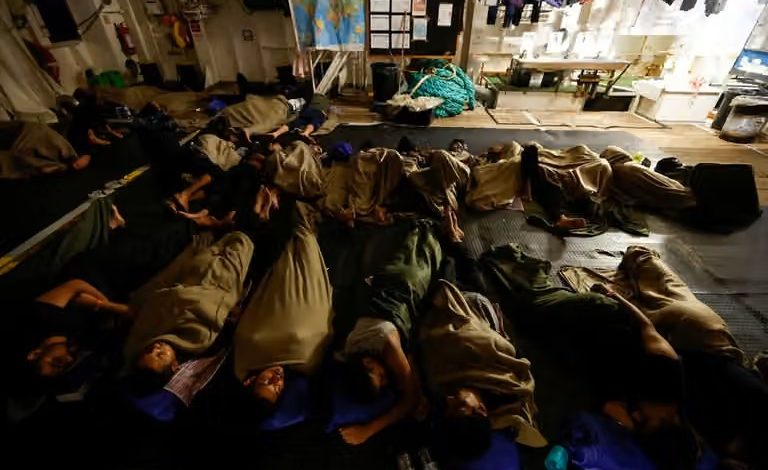
A report published on Saturday, 25 Mizan, by the Afghanistan Analysts Network said Afghan asylum seekers in Italy, despite a high approval rate for asylum applications, are living in difficult conditions of homelessness and informal work, and that for most of them Italy is more a transit route to northern Europe than a place for integration and stable life.
According to the research report, the northeastern Italian city of Trieste, on the border with Slovenia, remains the main land entry point for asylum seekers arriving via the Balkan route into the European Union. But a lack of capacity in state reception centres has left hundreds of asylum seekers without shelter for weeks and sometimes months on the streets or in abandoned warehouses in the area, forcing them to rely solely on volunteer groups for food and medical services.
The formal labour market is effectively closed to newcomers, and a large share of the limited jobs in agriculture and tourism exists in the black market, where asylum seekers are drawn into exhausting, contract-free work through informal exploitation networks known as “caporalato.”
Even workers employed in industries such as the Monfalcone shipyards are eventually forced to leave Italy and move on to other countries because of low wages and the lack of career prospects.
In addition, the process of family reunification for asylum seekers has been blocked because Italy’s embassy in Kabul is closed, forcing families to travel to the Italian embassies in Islamabad or Tehran and endure heavy costs and difficult conditions.
Humanitarian evacuation programmes have also been very limited, with only about 1,200 Afghans relocated under the scheme in 2022 and 2023, and another 700 in 2025.
On the other hand, the implementation of the government decree on “fast border procedures” by Italian police since 23 Jawza 1405 has turned the review of refugee cases into a limited, largely formal process with a short appeal deadline and has halted the transfer of asylum seekers to other centres, although civil courts in some months have suspended the policy and declared it a violation of border rules.
Italy was previously known as a country with a relatively open approach to granting asylum to Afghans, with only 8 percent of applications rejected in 2024. But from 2025, policies changed, the rate of positive decisions declined, and two-year residence permits replaced more stable protection, a shift that has not prevented a 77 percent rise in new applications in the first half of this year.
A significant portion of these applications are from asylum seekers who, after being rejected in countries such as Germany, Austria and Sweden, have returned to Italy again to escape the risk of deportation.
In the past five years, nearly 30,000 Afghans have entered Trieste via the dangerous Balkan route, and a significant number of them have been unaccompanied children. Knowing that talks on migrant returns under the Dublin rules remain suspended, these people choose Italy’s border in order to preserve the possibility of continuing on to other European countries.