UN Warns of Worsening Food Insecurity for 19 Million Afghans
The United Nations Food and Agriculture Organization (FAO) and the World Food Programme said in a new report that between November 2026 and April 2027, nearly 19.2 million people, or 38% of Afghanistan’s population, will face acute food insecurity. The figure marks a sharp increase from last year, underscoring the worsening humanitarian situation in the country.
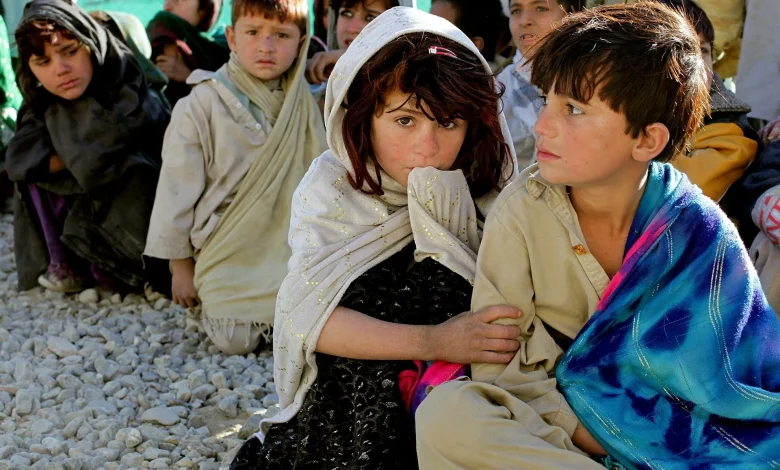
According to the Integrated Food Security Phase Classification analysis, at least five million people are in the emergency phase of hunger, a situation that requires urgent food assistance and emergency agricultural support to prevent deaths and the collapse of livelihoods. Acute malnutrition among children and mothers is especially worrying, with cases expected to rise by 10% next year to about four million, one-quarter of them severe and life-threatening.
Health and preventive services in many parts of the country are still lagging behind needs, and women and children are bearing the brunt of the crisis. Badakhshan, Badghis, Daikundi, Ghor, Samangan, Sar-e Pol and some rural areas of Ghazni are in particularly difficult conditions.
The forced return of more than 1.2 million Afghan migrants from Iran and Pakistan this year has increased pressure on families. These people have returned to areas that were already facing shortages of resources and services. In addition, disruptions to trade routes and rising transport costs have reduced people’s purchasing power and made it harder to secure basic goods.
Richard Trenchard, FAO representative in Afghanistan, while stressing the resilience of Afghan farmers, underlined the need to support both food production and household purchasing power at the same time. He said that although this year’s harvest has been substantial, families without a steady income still lack access to nutritious food.
FAO and the World Food Programme have called for immediate funding to expand food assistance, emergency agricultural support and improved treatment services for malnutrition. The agencies warned that aid must be delivered before the onset of winter cold and the worsening difficulty of reaching vulnerable areas.