Pakistan Declares Emergency in Khyber Pakhtunkhwa Amid Security Crisis
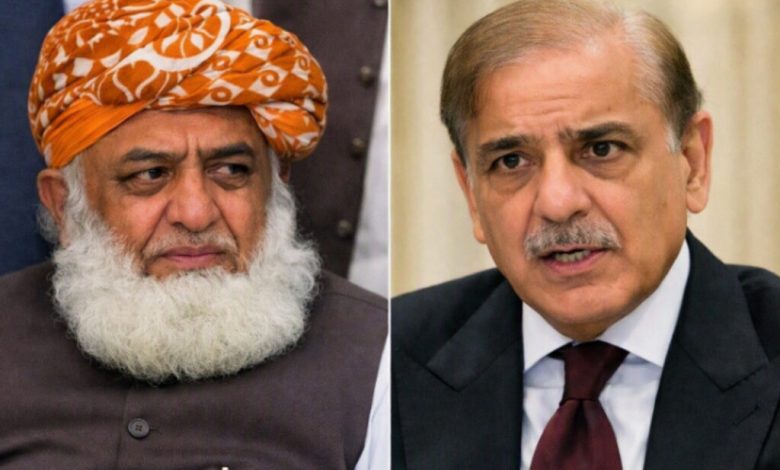
Pakistan’s Prime Minister Shehbaz Sharif has said the federal government was forced to declare an emergency in Khyber Pakhtunkhwa to prevent the spread of bloodshed, the collapse of order and the expansion of terrorism. According to him, the decision has been handed to Governor Faisal Karim Kundi under articles 232 and 234 of the constitution, and the government will bear full responsibility for it.
However, Maulana Fazlur Rehman, head of Pakistan’s Jamiat Ulema-e-Islam, called the move a sign of the government’s weakness and powerlessness, and said counterterrorism policies were ineffective. He called for an in-camera session of parliament to examine the reasons behind the government’s inability to control the crisis and stressed that his criticism was directed at policies, not institutions. Fazlur Rehman also referred to the loss of lives among his party members during the fight against terrorism.
On the other hand, ministers in Pakistan’s central government sharply criticised Fazlur Rehman, describing the politicisation of terrorism as regrettable and saying the decision was the only way to confront the wave of rising insecurity. Tariq Fazal Chaudhry, the minister for parliamentary affairs, urged critics to play a constructive role in the security process.
The Pakistan Tehreek-e-Insaf party, which governs Khyber Pakhtunkhwa, said the federal government’s decision was a form of “political mistake” and said protest marches for the release of Imran Khan would continue. It warned that the local government would not accept any unlawful action and accused the federal government of failing to answer for weaknesses in security management and its 13 years in power.
The tensions that have emerged between the prime minister, Fazlur Rehman and central government ministers have affected not only the security equation but also Islamabad’s political structure, casting a shadow over the historic crisis of the inability to manage provincial security.