Pakistan federal debt rises by 37 trillion rupees during Shehbaz Sharif terms
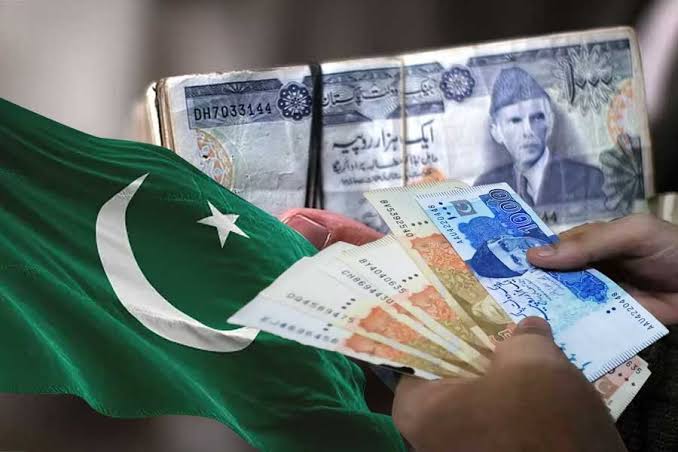
Official data from the State Bank of Pakistan show that the federal government’s domestic and foreign debt increased by 37,307 billion rupees during Shehbaz Sharif’s two terms as prime minister, spanning about 45 months. Based on average exchange rates, that amounts to roughly $130 billion to $135 billion.
The increase comes as Pakistan’s economy has in recent years faced high inflation, a falling rupee, fiscal pressures and heavy reliance on foreign borrowing. According to the data, debt growth during Shehbaz Sharif’s terms was 104% higher than during Imran Khan’s tenure as prime minister.
A comparison of official data shows that during Imran Khan’s term, federal government debt rose by 18,323 billion rupees over about three years and nine months, equivalent to roughly $60 billion to $65 billion. The difference has prompted broader debate over the financial management of Pakistan’s recent governments.
Details released by the State Bank of Pakistan show that during Shehbaz Sharif’s first term, from April 2022 to July 2023, federal debt increased by 18,764 billion rupees. In the second term, from March 2024 to July 2026, a further 18,543 billion rupees in new debt was recorded, bringing the total to more than 37 trillion rupees.
According to the latest reports, Pakistan’s total domestic and foreign debt has now reached 83 trillion to 84 trillion rupees, or around $300 billion. Economists have warned that if this trend continues, it could deepen the government’s financial burden, raise interest costs and increase the country’s dependence on foreign lenders and International Monetary Fund programmes.
The State Bank of Pakistan is the official body responsible for publishing the country’s monetary and financial statistics, and federal debt in this report includes both domestic obligations and external debt of the central government. Pakistan has repeatedly turned to external financial assistance and IMF programmes in recent years to contain a liquidity crisis and stabilise the economy.