Former Army Chief Says Kabul Near Collapse Without Defence Plan
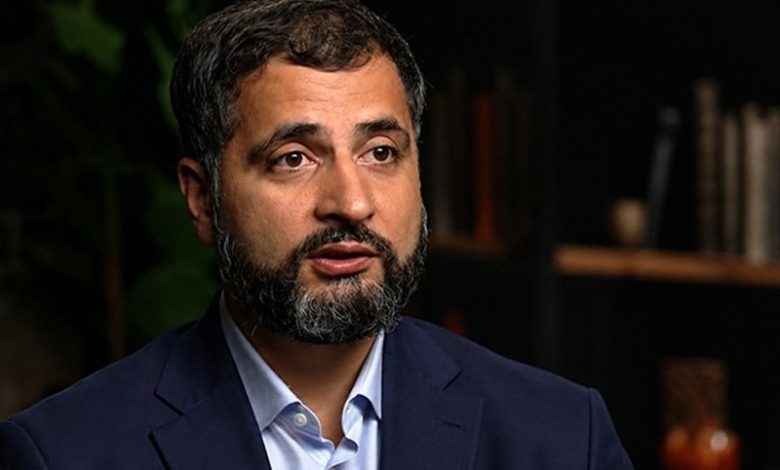
Hibatullah Alizai, Afghanistan’s former chief of army staff, says the Defence Ministry had no pre-prepared plan to secure and defend Kabul in the final days of the republic, something he said became clear on the eve of the capital’s fall.
In an interview with the US network CBS, Alizai said that as the Taliban administration’s advance accelerated and districts fell one after another, Ashraf Ghani appointed him chief of army staff. He added that just four days after he began work, on 23 August and one day before Kabul fell, he was asked to prepare a plan for defending the capital.
He said he had expected such a plan to have already been prepared at the Defence Ministry. According to Alizai, this lack of readiness showed that in the most critical days of the crisis, the capital was left without a clear defence plan.
The former army chief also said that in mid-June 2021, about two months before the collapse of the republic, he had drawn up a plan to counter the Taliban administration’s advance and submitted it to the Defence Ministry. However, he said the decision-making process in the then government was very slow and the country’s leadership struggled to make major decisions.
Alizai also rejected claims that the security forces collapsed without resistance, saying Afghan forces were still fighting on a number of fronts, including around Kabul and in Helmand province. He added that the collapse of the system was more linked to negotiations by local and national politicians with the Taliban administration than to the performance of soldiers.
He also said that even after Ashraf Ghani fled Afghanistan, he still believed resistance had not yet been exhausted and Afghan forces remained present in parts of Kabul and other provinces. Even so, the Taliban administration’s rapid advance, the withdrawal of US and NATO forces, and the collapse of the republic’s political and security structure led to Kabul’s fall on 24 August 2021.
Kabul is the capital of Afghanistan, and its fall in August 2021 brought an end to the republic and returned the Taliban administration to power, an event still regarded as one of the most important turning points in Afghanistan’s modern political history.