UN: Most Afghan Villagers Left Without Electricity
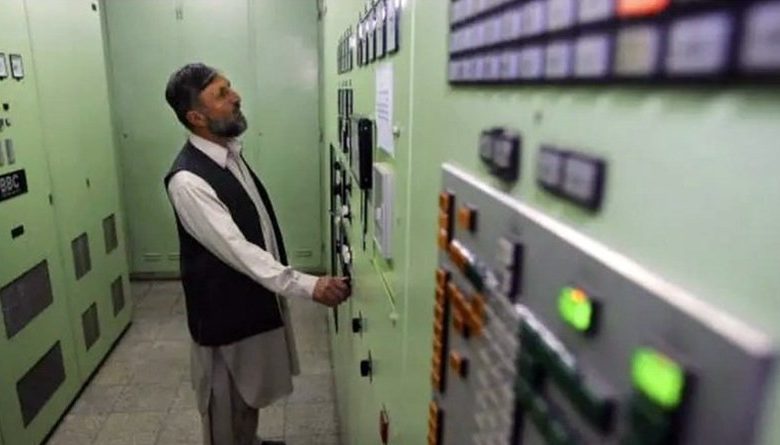
The United Nations Development Programme says only about 40 to 42 percent of Afghanistan’s population has access to the national power grid, and nearly 90 percent of that access is concentrated in urban areas — a situation that highlights the widespread lack of electricity among rural residents.
The agency said reliable access to electricity is one of Afghanistan’s main challenges, and that the shortage directly affects healthcare, education, livelihoods and economic growth. According to the report, rural communities still face a severe electricity deficit.
The UN Development Programme added that expanding the power grid to remote areas is difficult because of high costs and infrastructure problems. The agency said solar energy is one practical solution for bringing electricity to these areas.
The report says installing solar systems in schools and health centres, as well as implementing financial models based on local community participation, could help make these projects sustainable. The agency added that in some areas, excess electricity is sold to nearby homes and shops to cover the cost of maintaining equipment.
The UN Development Programme also said one example of these projects is solar power for women’s markets, a move that allows business owners to work longer hours and continue operating during power outages.
The agency stressed that solar energy can, in addition to improving education and health services, also help create jobs, strengthen livelihoods and empower women.
Afghanistan is meanwhile heavily dependent on imported electricity and meets about 80 percent of its needs from neighbouring countries. More than 90 percent of these imports come from Central Asian countries, especially Uzbekistan, Tajikistan and Turkmenistan, while Iran also supplies part of Afghanistan’s electricity needs.