Rawadari Urges Continued Documentation of Human Rights Violations in Afghanistan
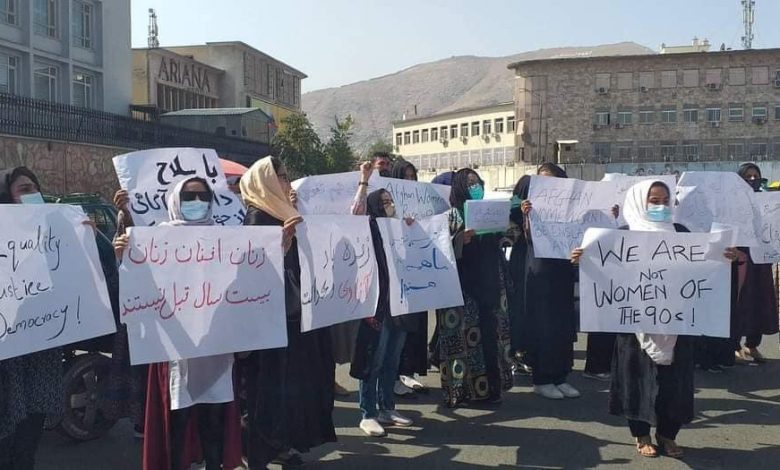
The human rights organisation Rawadari, marking the fifth anniversary of the سقوط of the republican system and the Taliban’s return to power, has stressed the need to continue and strengthen documentation of human rights violations in Afghanistan. The group says that despite widespread repression over the past five years, civil resistance by citizens, especially women and girls, has kept alive hopes for a future based on human rights and equality.
In a statement on Saturday, 24 August, Rawadari said civil society organisations, human rights defenders, media outlets and journalists have played an important role in recording human rights abuses, gathering evidence and amplifying the voices of victims. The organisation stressed that sustaining this process is essential to holding perpetrators of abuses accountable.
According to figures released by Rawadari, at least 6,929 civilians were killed or injured in various incidents between 15 August 2021 and 31 December 2025. The organisation said these incidents included targeted, mysterious and extrajudicial killings, explosive and suicide attacks, leftover war munitions and Pakistani military attacks.
The organisation also said that during this period at least 399 former government employees and members of their families were killed in targeted, mysterious and extrajudicial attacks. In addition, at least 47 protesters, including eight women, were killed for taking part in or organising peaceful protest gatherings.
Rawadari added that in the first four years of Taliban rule, at least 6,043 Afghan citizens, including 78 protesting women, were arbitrarily and unlawfully arrested, mainly by Taliban intelligence and morality police agencies. Among those detained were at least 646 former government employees, 643 civil society activists, journalists and human rights defenders, and 1,366 people accused of collaborating with or having links to opposition groups.
According to Rawadari, during the same period at least 51 prisoners died as a result of severe torture in Taliban detention centres, and 171 others were forcibly disappeared. The victims included former government employees, civil society activists, human rights defenders and other civilians.
The organisation said in its statement that Taliban courts had punished at least 2,423 people on various charges through what it described as “extralegal, cruel and inhuman” methods during this period. According to Rawadari, these punishments included public implementation of qisas and death sentences, flogging and blackening the faces of the accused.
Rawadari also said that despite these pressures, advocacy and resistance by women, civil society activists and human rights defenders inside Afghanistan and abroad have continued. The organisation expressed hope that the continuation of civil resistance could help activate international justice and accountability mechanisms and raise global awareness about the human rights situation in Afghanistan.
Rawadari was established by a number of human rights activists outside Afghanistan after the Taliban’s return to power, and focuses on documenting human rights violations in the country.