At least 56 countries call for immediate lifting of Taliban restrictions on women
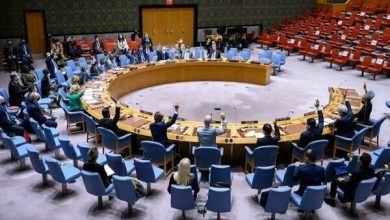
At least 56 United Nations member states have issued a joint statement calling for the immediate repeal of discriminatory decrees and policies by the Taliban authorities against the people of Afghanistan, especially women and girls, in a demand focused on the continued sweeping restrictions on education, social participation and women’s basic rights.
The statement was released on Friday, 23 Asad, coinciding with the fifth anniversary of the Taliban authorities’ return to power in Afghanistan. In it, the countries stressed the restoration of women’s and girls’ right to education and the guarantee of women’s full, equal and meaningful participation in all areas of society.
The signatories also called for the repeal of all discriminatory decrees and policies of the Taliban authorities and for respect for the human rights and fundamental freedoms of all Afghans. The statement says: “The systematic repression of women and girls has become the defining feature of the current system.”
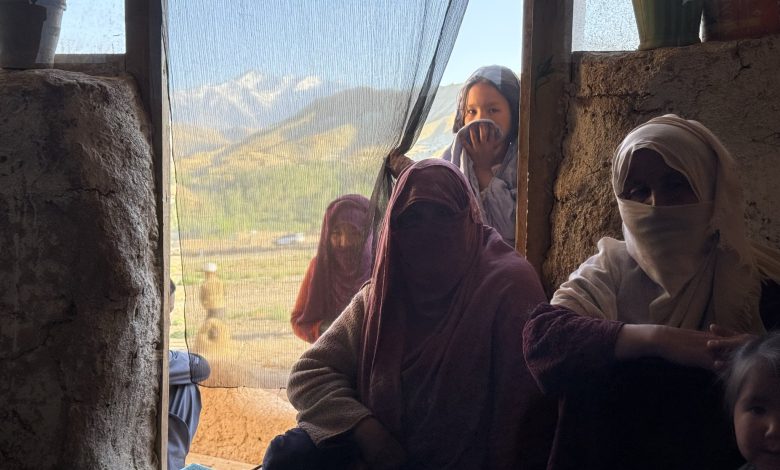
Susan Ferguson, the United Nations Special Representative for Women in Afghanistan, said the Taliban authorities have issued more than 100 restrictive decrees and orders limiting women’s rights since taking control of Afghanistan. According to her, these restrictions have affected various aspects of women’s lives, from education and work to freedom of movement, health services and access to justice.
At the same time, Heather Barr, a senior researcher in the women’s rights division at Human Rights Watch, criticised Western governments’ approach in the negotiations with the Taliban authorities. She said women, whose rights had for years been described as one of Afghanistan’s important achievements, were excluded from participation and representation at the negotiating table in talks that ultimately led to the Taliban authorities’ return.
After regaining power in Afghanistan, the Taliban authorities imposed sweeping restrictions on women’s education, work and social participation; an issue that in recent years has repeatedly drawn reactions from the United Nations, human rights organisations and several countries.