UN Mission Says Taliban Restrictions Are a Major Barrier to Lasting Stability in Afghanistan
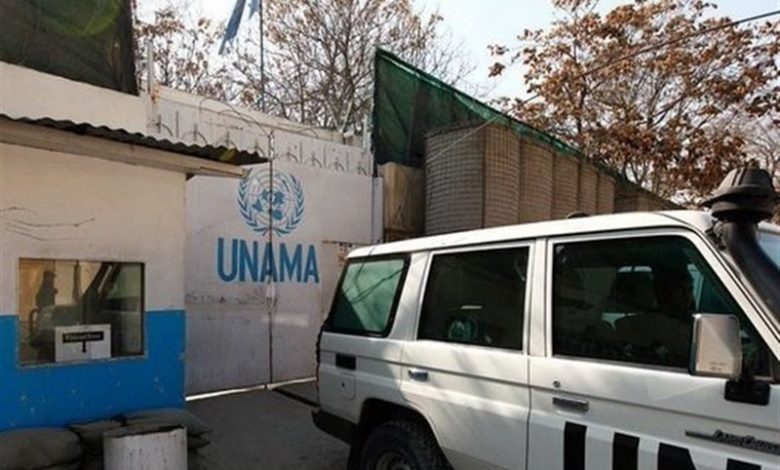
The UN Assistance Mission in Afghanistan (UNAMA) has said that Taliban restrictions on women and girls are among the main obstacles to lasting stability, post-war reconstruction and the expansion of international engagement and investment in Afghanistan. The body also said that despite a relative improvement in the security situation over the past five years, the absence of basic rights and freedoms has hindered the country’s long-term progress.
In a statement marking the fifth anniversary of the Taliban’s return to power, UNAMA said the reduction in conflict has brought tangible gains for many Afghans and created opportunities to focus on reconstruction, development and regional economic cooperation. The mission also pointed to the ban on opium poppy cultivation as one of the positive steps in this regard.
However, UNAMA stressed that increasingly harmful restrictions on women and girls, along with ongoing concerns related to terrorism, have impeded Afghanistan’s reconstruction and its move towards the internationally endorsed goal of an Afghanistan at peace with itself and its neighbours, integrated into the international community and committed to its international obligations.
Georgette Gagnon, the UN deputy special representative for Afghanistan and head of UNAMA, said that after decades of war, the people of Afghanistan place great value on peace and stability. She added that sustainable peace and prosperity cannot be achieved through the absence of conflict alone, and that Afghanistan’s future depends on a society in which the rights and potential of all people are realised and institutions are accountable and responsive.
Gagnon also said the de facto authorities must lift the restrictions imposed on women and girls so they can take a full part in education, work and public life. She described the protection of basic rights and fundamental freedoms, and addressing global concerns related to security and terrorism, as prerequisites for moving closer to Afghanistan’s long-term stability and prosperity.
UNAMA added that the Taliban administration’s severe restrictions on the rights of women and girls have deep social and economic consequences and are causing immediate and long-term harm to the people of Afghanistan. The mission said these restrictions are also among the main barriers to expanding international engagement and investment in Afghanistan, limiting the country’s opportunities to fully benefit from global support and cooperation.
The mission further called on the international community to maintain its principled and pragmatic engagement with Afghanistan, support the aspirations of the Afghan people and advance a comprehensive approach to the country’s long-term improvement and reintegration into the international community.
UNAMA is the United Nations Assistance Mission in Afghanistan, established after 2001 to support political processes, human rights and the coordination of international aid, and it regularly publishes reports on the human rights, security and humanitarian situation in Afghanistan.