Taliban Says It Must Enforce Court Rulings on Seized Land
The Taliban administration has stressed the enforcement of court decisions on confiscated land, as criticism continues over the seizure of some private properties and the designation of some holdings as “state-owned” land.
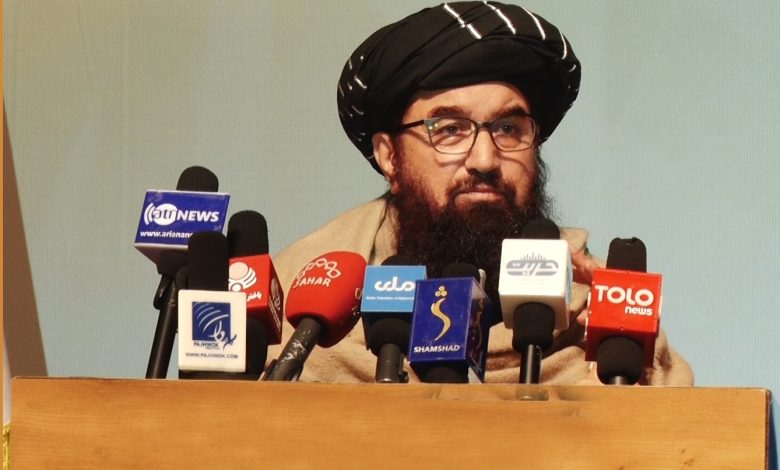
Mawlawi Abdul Hakim Shari, the acting minister of justice in the Taliban administration, said at a coordination meeting with founders and officials of charitable foundations in Afghanistan on Tuesday, 20 Asad, that the work of the administration’s commission to prevent land seizures is being carried out on the basis of documents and evidence, and that its laws are applied equally to all.
He also claimed that establishing and recovering seized land is a legal matter, and linking it to ethnicity, religion and language is “illogical.”
The remarks come after the Taliban administration previously seized the Omid Sabz housing complex in western Kabul and declared its land “state-owned,” a move that drew objections from the property’s owner.
Mohammad Nabi Khalili, the owner of the Omid Sabz housing complex, said the land had been lawfully under his ownership on the basis of religious deeds, official ownership documents, clearance from the relevant authorities and a legal construction permit. He stressed that the Taliban administration’s special court decision declaring the land state-owned needs to be reconsidered and subjected to a thorough legal review.
Reports had earlier also emerged of the Taliban administration declaring some private lands as “government property” and seizing people’s land. The Omid Sabz housing complex is located in western Kabul and is among the cases that has received wide attention in disputes over property rights under the Taliban administration.