Reporters Without Borders: Taliban Turns Afghanistan into an ‘Information Prison’
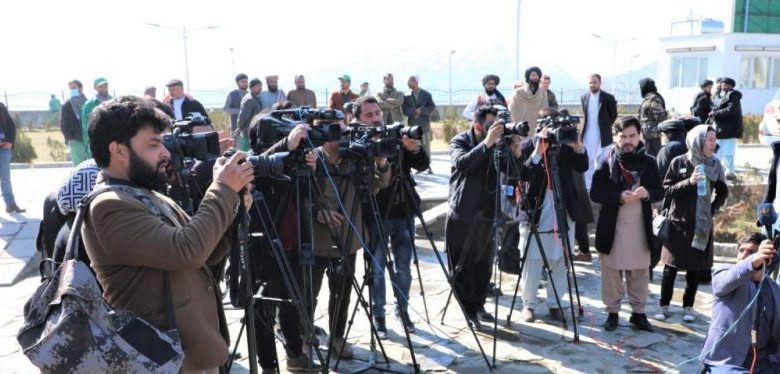
Reporters Without Borders has stated that with the adoption of new regulations and the criminalization of criticism, the media landscape in Afghanistan has become increasingly restricted, and censorship has now taken on a legal form. According to the organization, this process has effectively transformed Afghanistan into an ‘information prison.’ Since the Taliban’s return to power in August 2021, more than 20 directives and a series of provincial orders have been issued to curtail media activities. The report notes that criticism of the Taliban administration is banned, women face extensive restrictions, political discussions are virtually silenced, and the publication of images of living beings has also been prohibited. These measures have severely impaired media independence. Reporters Without Borders also pointed to the secretive adoption of a new ‘Criminal Procedure Code’ in January 2026, the text of which has been leaked to the media. Although the law does not explicitly mention the press, it offers no protections for journalists and media activists, exposing them to prosecution and harsh penalties including imprisonment. Under the provisions of this law, ‘insulting the Taliban leadership’ carries a sentence of six months in prison and 20 lashes, while ‘insulting the Supreme Leader of the Taliban’ can result in one year of imprisonment and 39 lashes. These articles, according to Reporters Without Borders, effectively expose any form of criticism to the risk of criminal punishment. The organization emphasizes that the ban on criticism is now legally entrenched and calls on the Taliban administration to repeal all regulations that limit press freedom. Reporters Without Borders has also urged transit and host countries to consider the risks of forcibly returning Afghan journalists and to ensure their security through visa issuance and necessary support. Following the Taliban’s reestablishment of control over Afghanistan, dozens of media outlets have been shut down and hundreds of journalists have fled the country, a situation repeatedly warned about by international freedom of expression advocates.