WFP Warns El Niño Could Push 49 Million More into Severe Hunger by End of 2025
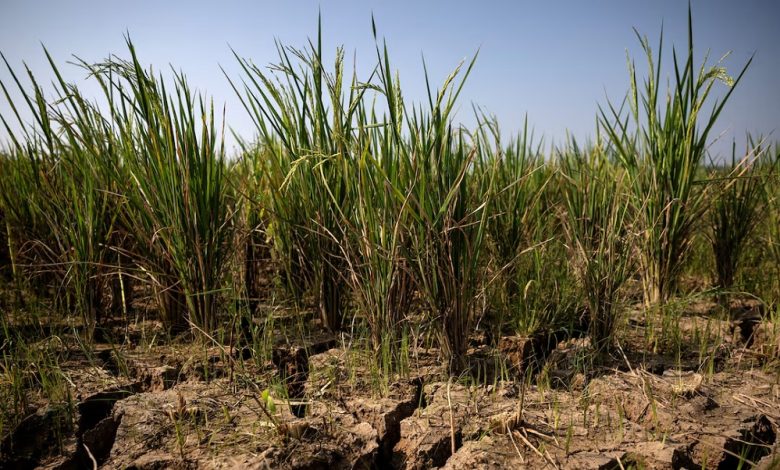
The World Food Programme (WFP) has warned that if a very severe El Niño occurs, the number of people facing acute food insecurity could rise by 49 million by the end of next year, reaching a total of 274 million.
The United Nations agency announced on Wednesday that the likelihood of a strong El Niño has reached 81 percent. According to the WFP, Pacific Ocean water temperatures have reached their highest level since 1982, and this event could be the strongest El Niño since 1950.
Assessments conducted in 45 vulnerable countries indicate that Central America and Southern Africa will suffer the most. It is also predicted that Southern Africa, South America, and the Caribbean will each face over 12 million people experiencing severe food shortages.
El Niño is a natural climatic phenomenon that disrupts weather patterns, potentially causing droughts, delayed monsoon rains, and irregular precipitation in various parts of the world. Jean-Martin Bauer, head of food security analysis at the WFP, stated, “Historically, El Niño has repeatedly caused widespread hunger globally.”
The WFP has warned that ongoing conflicts in the Middle East, damage to agricultural products, and rising food prices could exacerbate the impacts of this phenomenon. The agency also mentioned that reduced funding from the United States and European countries has limited its capacity to monitor the crisis and provide humanitarian aid.
The World Food Programme has called on governments and aid organizations to prepare now to mitigate the potential effects of El Niño. The agency reported that it has expanded climate event preparedness programs to 18 countries this year and has so far provided cash and other essential assistance to more than 1.3 million people.