Taliban Official: Small Countries Forced to Follow Great Powers in Global Politics
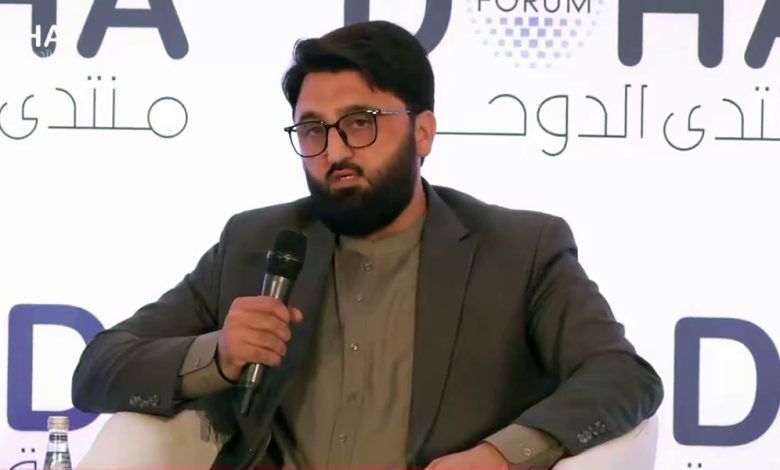
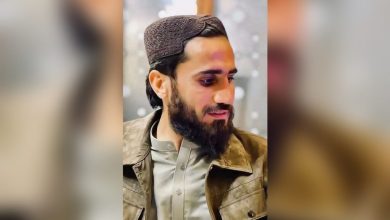
Abdulhai Qanat, head of the Strategic Studies Center at the Taliban’s Ministry of Foreign Affairs, emphasized that in the current international order, great powers play a decisive role in global affairs, including war and peace, and small countries are compelled to align their foreign policies with the approaches of these powers.
According to him, the global system is divided into three categories: great powers, middle powers, and small countries. Qanat identified the United States, China, and Russia as great powers, adding that these countries determine the course of international developments.
He also listed Turkey, India, Iran, Germany, France, the United Kingdom, Indonesia, and Brazil as middle powers, stating that although these countries are influenced by great powers, they have a significant impact on political dynamics at the regional level.
The head of the Strategic Studies Center further outlined three main strategies employed by small countries: balancing between powers, aligning with a single great power, or maintaining simultaneous relations with multiple powers without fully siding with any.
Referring to the recent conflict between the US and Iran, he cited Oman as an example of a small country that, through a “hedging” policy—maintaining relations simultaneously with the US, Western countries, and Iran—has managed to preserve its security and act as a mediator.
Qanat concluded by stating that small countries in the international system have limited options, and their success depends on their capacity, resources, and prudent foreign policy management.