Fuel Prices Surge in Kabul, Exceeding Official Rates
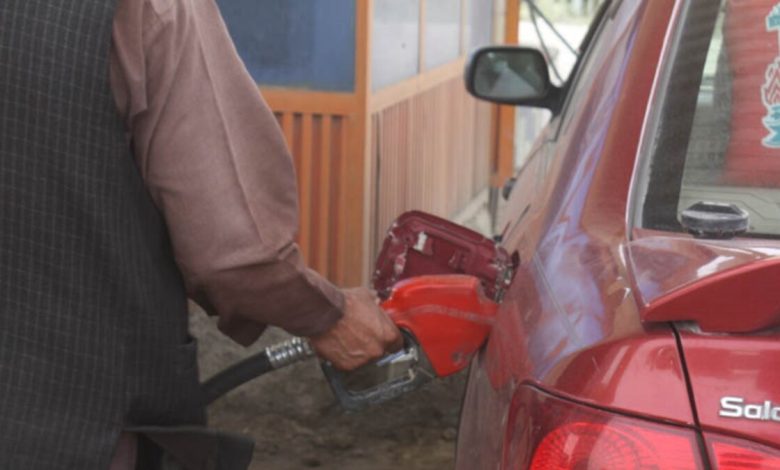
Fuel prices in Kabul and several other provinces have risen in recent days, with market rates surpassing the official price list set by Kabul Municipality. According to the official tariff, the price of petrol is set at 82 Afghanis per liter, diesel at 74 Afghanis, and liquefied gas at 75 Afghanis per kilogram. However, reports indicate that petrol prices have increased by three Afghanis, and diesel and liquefied gas prices have each risen by one Afghani per unit.
In some areas of Kabul, liquefied gas is sold at prices ranging from 80 to 100 Afghanis, and even up to 110 Afghanis per kilogram—figures significantly higher than the official rates. This situation has placed additional pressure on low-income families and sparked concern among residents and drivers.
Several sellers cite a recent reduction in supply as the primary cause of the price hikes. Abdul Azim, a liquefied gas vendor, says that due to volatile prices, he was forced to stop selling for a period, as many customers could not afford the rising costs.
Drivers warn that if this trend continues, transportation fares will also increase. Meanwhile, the private sector has expressed concern over the broad impacts of these price fluctuations. Khan Jan Alkozi, advisor to the Afghanistan Chamber of Commerce and Investment, explains that the country’s reliance on imported fuel and the low purchasing power of its people turn any price increase into a serious economic challenge.
He added that rising fuel prices do not only affect the transportation sector but also increase the costs of transporting goods and raw materials, ultimately driving up the prices of food items like flour, rice, and other essentials.
The state-owned Oil and Gas Company previously announced that new fuel shipments had arrived in the country to prevent shortages. The company also stated that due to rising global prices, certain quality standards for imported petrol, diesel, and liquefied gas have been temporarily adjusted.
However, the clear gap between the official prices and actual market prices raises serious questions about the level of oversight and market management effectiveness by the Taliban administration. Amid the economic hardships faced by citizens, the lack of effective market control risks further undermining public trust.