Three Afghan Refugee Camps in Bannu Fully Evacuated Amid Deportations
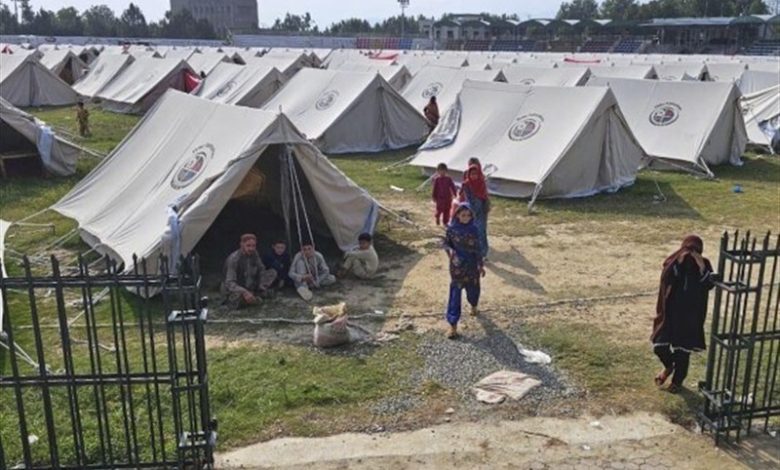
Pakistani media have reported that as part of the ongoing deportation process of Afghan refugees, three camps in the Bannu area of Khyber Pakhtunkhwa province have been completely evacuated following the return of 525 families to Afghanistan. These families were transferred back to the country via the Torkham border crossing.
According to Omar Khitab Khan, Deputy Commissioner of the Bannu district, the phased repatriation of migrants is taking place based on orders from the Khyber Pakhtunkhwa local government. He told Dawn News that this operation is not limited to the camps alone but also includes Afghans living in urban and rural areas.
Local officials stated that families residing in the Bizen Khel, Ghori Wala, and Momand Khel camps have been fully relocated. At the same time, the process of identifying and repatriating Afghans living in rented houses and private homes in Bannu city and surrounding areas has also commenced.
In recent months, Pakistan has increased pressure on Afghan migrants, announcing that individuals without valid visas or residence documentation will be detained and deported. This policy has sparked a new wave of concern among refugee families.
Taliban officials previously described Islamabad’s actions as political, claiming that the refugee issue is being used as a pressure tool. However, the rise in forced returns is occurring while many returnees face shortages of shelter, job opportunities, and basic services within Afghanistan—a challenge that requires transparent and accountable management from the Taliban administration along with cooperation from relevant agencies.
The UN High Commissioner for Refugees has also warned against forced repatriations, emphasizing that returns should be voluntary, safe, and in accordance with refugee protection principles. Humanitarian organizations note that the lack of adequate facilities in many parts of Afghanistan has made the situation of returning families even more precarious.