Emergency Meeting Held by Afghanistan Chamber of Commerce over Rising Fuel Prices
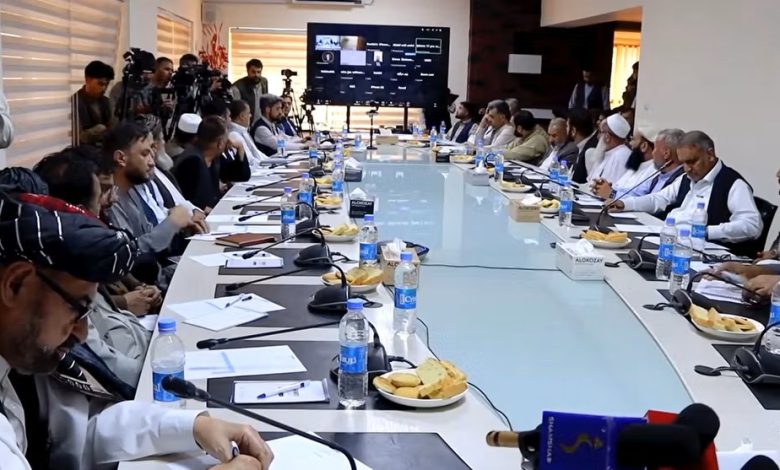
In response to the continued rise in fuel prices within the country’s markets, the Afghanistan Chamber of Commerce and Investment held an emergency meeting on Saturday, 4 July, with oil and gas traders from various provinces in Kabul. This meeting was convened despite the decrease in global oil prices, as domestic fuel rates have remained high.
According to Radio Harirad, a media outlet close to the Taliban administration, participants discussed ways to control oil and gas prices, improve fuel quality, prevent shortages in different regions, and strengthen coordination between the private sector and responsible authorities. Seyed Karim Hashemi, head of the chamber, stated that their goal is to prevent the fuel market from being emptied and to curb the “unnatural” rise in prices.
These actions come amid growing complaints from citizens burdened by increasing costs. Abdulrahman, a resident of Balkh province, said that in recent months, the price of diesel there has risen from about 55 afghanis to 72 afghanis, and gas prices from 55 to 65 afghanis. He added that while people’s incomes have not changed, transportation and food costs have increased, making family expenses more difficult to manage.
The increase in fuel prices began alongside tensions between Iran and the United States and disruptions in the Strait of Hormuz—a strategic route through which a significant portion of the world’s oil is transported. At the peak of the crisis, Brent crude oil prices soared from around $72 to over $120 per barrel, but with easing tensions, prices fell back to about $72. However, the global price drop has yet to be reflected in Afghanistan’s markets.
Afghanistan imports most of its petroleum products from Iran, Turkmenistan, Russia, and some Central Asian countries; therefore, any fluctuation in global markets or disruptions in energy transit routes quickly impact the domestic market. Economic experts believe that the lack of effective oversight and transparency in the market may allow high prices to persist, a matter for which the Taliban administration is expected to be accountable.
These developments occur amid widespread unemployment and declining purchasing power in the country, with rising fuel costs pushing up transportation fares and prices of many essential goods, further straining household livelihoods.