Attacks on Hospitals Increase in War Zones, Doctors Without Borders Warns
Doctors Without Borders has reported a rise in attacks on hospitals and clinics in conflict zones despite global efforts to protect healthcare facilities. The organization stated that over 1,300 attacks on medical facilities were recorded last year alone, with approximately 80% carried out by state actors.
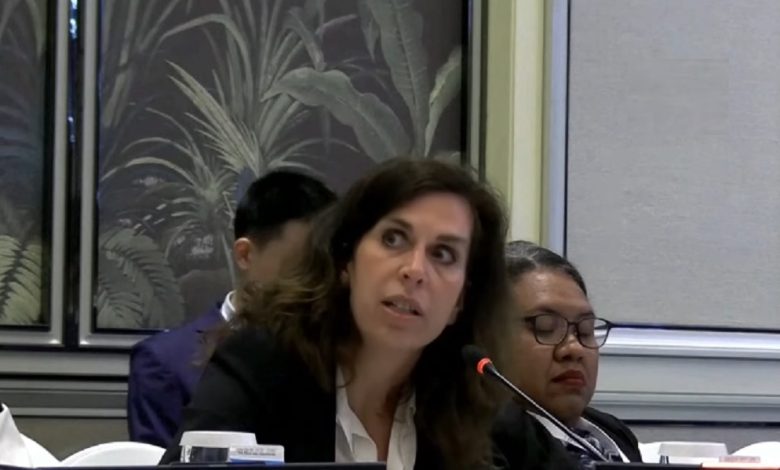
Laura Lazzer, Secretary General of Doctors Without Borders, highlighted this issue during a special session on the sidelines of the Shangri-La dialogue on security in Singapore. Referring to the 2015 U.S. airstrike on a hospital run by the organization in Kunduz, Afghanistan, she noted that despite widespread global condemnation of the incident, the frequency of such attacks has not only failed to decline but has actually increased.
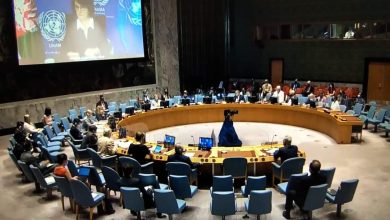
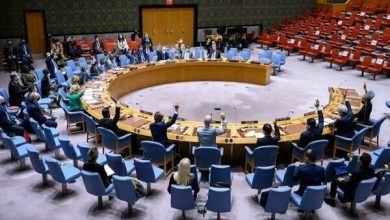
Following the bombing of the Kunduz hospital, the United Nations Security Council adopted Resolution 2286 to safeguard medical personnel and facilities in armed conflicts. However, Lazzer emphasized that the practical impact of these measures on the battlefield has been negligible.
The Doctors Without Borders chief secretary warned that the surge in attacks has intensified fear and insecurity among healthcare workers and humanitarian aid providers, significantly hindering the delivery of lifesaving services to civilians. She added that many healthcare staff are reluctant to go to their posts due to continuous security threats and severe shortages of equipment.
Lazzer called on governments and military leaders to demonstrate practical adherence to international humanitarian laws and to prosecute and hold accountable those responsible for violations. According to her, civilians living in war-torn regions face the direct consequences of these attacks daily, and the global community must not remain indifferent to this alarming trend.