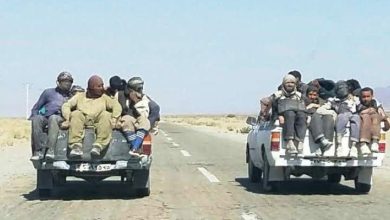
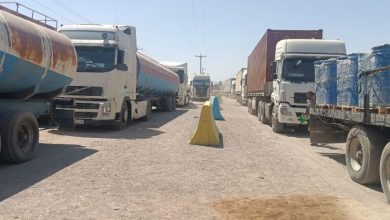
Afghanistan’s Population Rises 12% Amid Growing Wave of Returnees
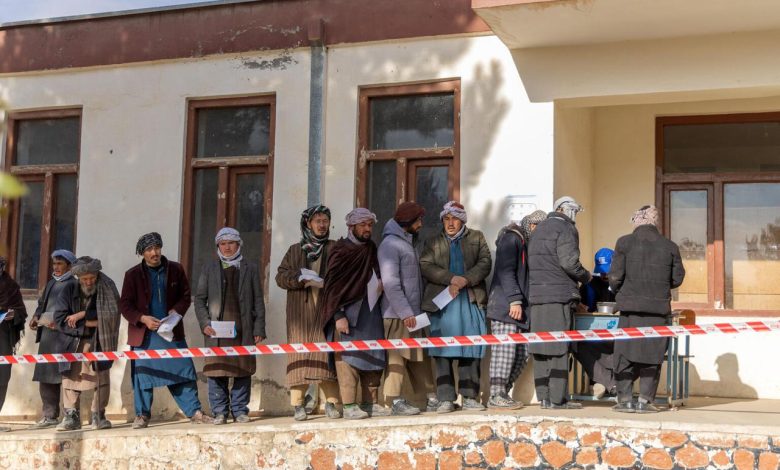
The UNICEF head office in Afghanistan has stated that the return of Afghan migrants to the country is not a temporary surge but a multi-year trend that has so far increased Afghanistan’s population by 10 to 12 percent.
Dr. Tajuddin Oywale, in a statement, said this significant demographic shift has placed considerable pressure on essential services and infrastructure, requiring long-term planning. According to him, returnees need immediate and sustained support not only at border points but also in main settlement areas.
The United Nations Assistance Mission in Afghanistan (UNAMA) and partner organizations have announced that they are supporting returning families in border regions as well as in residential areas to ensure that the return process moves towards sustainable recovery and reintegration.
While the wave of returning migrants has intensified in recent years, many returnees face shortages of shelter, job opportunities, health services, and education. Given resource constraints and ongoing economic challenges, it is expected that the Taliban administration take clearer responsibility for managing this process and creating conditions for the sustainable integration of newly returned residents – a task that will be difficult without effective coordination with international organizations.