Russian Ambassador Urges Taliban to Respect Girls’ Right to Education in Afghanistan
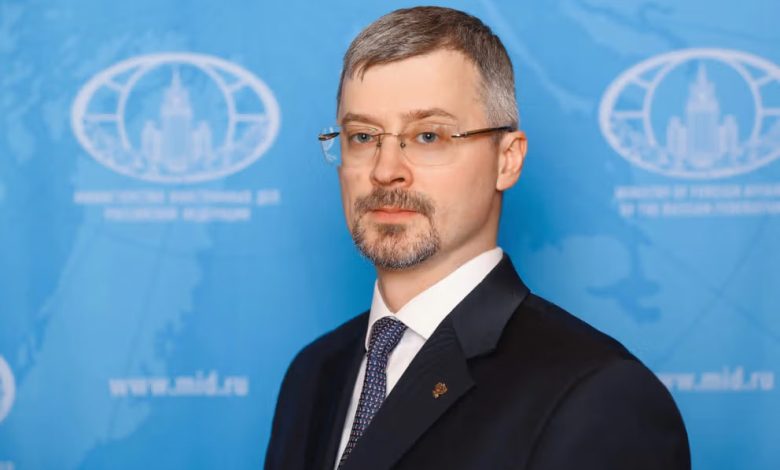
Albert Khoriev, Russia’s ambassador to Pakistan, has called on the Taliban administration to respect basic human rights in Afghanistan, particularly the right of girls to education, describing it as a prerequisite for the country’s development.
In an interview with the TSR Podcast, Khoriev emphasized that fundamental human rights should be upheld worldwide and expressed hope that the Taliban government would come to understand the importance of this issue. He stressed that without access to education for all segments of society, especially girls, continuing progress and development in Afghanistan would be impossible.
These remarks come as the Taliban administration has suspended education for girls above the sixth grade for nearly five years and issued dozens of restrictive decrees against women and girls during this period. These restrictions have severely limited their access to education, work, and participation in social spaces, drawing widespread criticism from international organizations. Despite global pressure, the Taliban have not altered these policies, with many human rights groups describing the current situation of women in Afghanistan as a form of “gender apartheid.”
The Russian ambassador also addressed Pakistan’s security situation, saying he feels satisfied living in the country. He explained that he compares life in Pakistan with the years he spent in Kabul and currently feels more peace and security living near his family—something he said was not possible during his mission in Kabul.
Khoriev, who has served for years as a senior Russian diplomat in Afghanistan and speaks Persian and Pashto, also warned that Pakistan’s security situation is changing. According to him, insecurity is gradually spreading in some areas and border districts with Afghanistan.
These statements by the Russian diplomat come at a time when Russia is the only country to have recognized the Taliban administration officially—a fact that adds significance to this stance on human rights in Afghanistan.