Qatar Calls for Afghan Refugees’ Transfer by 2026, Urges US to Halt New Arrivals
Qatar has officially requested that the United States transfer all Afghan refugees currently residing at the Al-Siliyya camp to other countries by September 2026 at the latest and refrain from sending any new Afghan refugees to its territory. This request comes as more than 1,100 Afghan citizens have been held at the camp near Doha since the fall of the previous government in 2021.
According to diplomatic documents released by the US State Department, Doha and Washington have agreed that the presence of these refugees will remain temporary until 2026. Qatari officials have emphasized that this situation should remain temporary, and the fate of all those residing in the camp should be determined as soon as possible. Doha has also asked the US to take full responsibility for the transfer and resettlement of these individuals after the deadline.
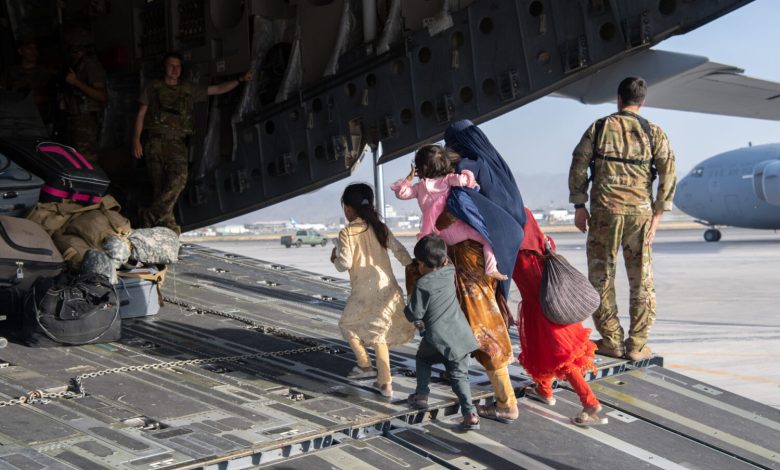
The Al-Siliyya camp was used as a temporary transit and processing center for refugees during the withdrawal of US forces from Afghanistan in 2021. Many of the camp’s residents are those who had cooperated with US forces and agencies and left the country due to security concerns following the Taliban’s takeover of Afghanistan. Nearly five years later, the residency status of several remains uncertain.
Meanwhile, Senator Jeanne Shaheen, a senior member of the US Senate Foreign Relations Committee, expressed concerns in a letter to the US Secretary of State about plans to close the camp and transfer these refugees to third countries. She urged the Trump administration to honor its commitments to loyal Afghan allies and facilitate their transfer to the United States. Shaheen warned that the unresolved status of these individuals could expose them to risks of persecution and abuse by the Taliban regime.
Recently, the Trump administration announced a plan to relocate some of the Afghan refugees residing in Qatar to the African country of Congo, a move that has drawn criticism from human rights organizations and some former US officials. At the same time, the continued uncertainty surrounding the refugees has heightened concerns about their future.