Important NewsInternational

French Parliament Begins Session on Afghanistan Human Rights Crisis

A two-day session focusing on the human rights situation in Afghanistan and seeking solutions to the ongoing crisis in the country began on Wednesday in the French National Assembly. French officials, the UN Special Rapporteur on Afghanistan Human Rights, former Afghan officials, and activists are participating in the event. The main focus of the meeting is on the deteriorating human rights conditions, especially the situation of women under Taliban rule.

The conference, titled “Afghanistan 2026: Humanitarian Emergency and Political Solution,” aims to examine the consequences of the Taliban’s restrictive policies on the lives of citizens, particularly women and girls. During the opening ceremony, Lia Balaj Al-Mariki, a member of the French Parliament and vice-president of the France–Afghanistan Friendship Group, was present. Richard Bennett, the UN Special Rapporteur, spoke directly for the first time before the Foreign Affairs Committee and the France–Afghanistan Friendship Group.

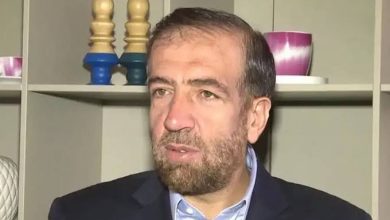
Alongside him, Rahmatullah Nabil, former head of Afghan National Security, and several women’s rights activists also shared their views. In the initial session, a proposal was made to establish a “Parliamentary Working Group on Afghanistan” including members of the French Parliament and the UN Special Rapporteur. Participants also emphasized the continuation of issuing humanitarian visas for Afghan women, human rights activists, civil society members, and journalists.

This initiative was organized by the “Afghan Children Association” and the “Afghanistan Peace Dialogue Movement” and is scheduled to continue on Thursday, May 7, at the French Ministry of Foreign Affairs and later at Paris City Hall.

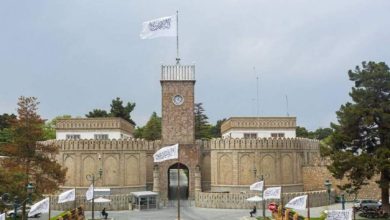
The holding of this session comes as new Taliban directives have further restricted the social and legal living spaces of women. Among serious concerns is the “Criminal Procedure Code” signed by Hibatullah Akhundzada on December 5, 2025. This 113-article document institutionalizes systemic gender discrimination and legitimizes punishments such as stoning and public executions, actions that starkly contradict accepted human rights standards.

Meanwhile, Afghanistan is grappling with a deep political and economic crisis. Five years of international isolation have worsened the humanitarian situation, and according to UN reports, at least 23 million people in the country urgently need humanitarian aid, highlighting the vast scale of the current crisis.

Related Articles

Leave a Reply

Your email address will not be published. Required fields are marked *

Back to top button