Resilience in Warfare: Iran-U.S.-Israel Conflict Highlights Strategic Stalemate
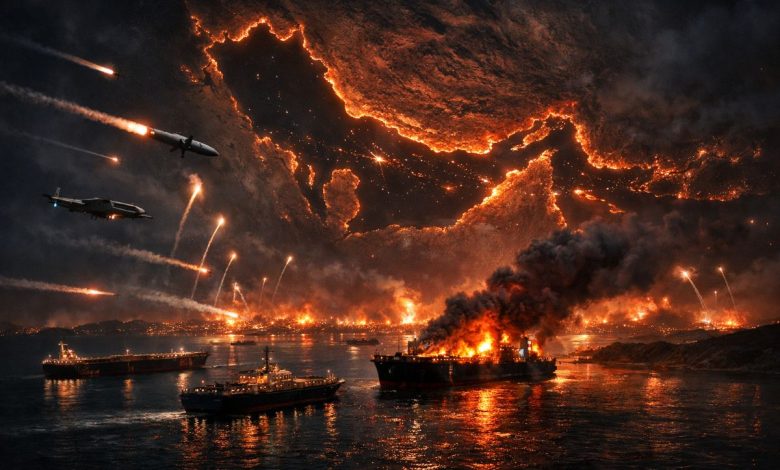
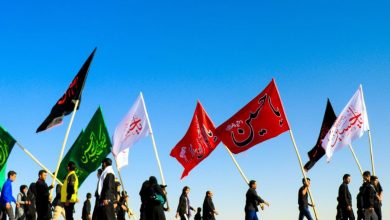
According to Israeli-based media sources, Israel is imposing extremely severe censorship on the content they publish. Media outlets are under strict prohibition from releasing any images of Iranian missile impacts or even their interception in the sky. Meanwhile, Western media sources report that out of eight THAAD missile defense systems in the region, at least five have been completely destroyed, which has reduced missile attack warning times from ten minutes to about one minute before impact. It appears that while the U.S. and Israeli air forces continue bombing various targets in Iran, Iranian ballistic missiles and attack drones have targeted American bases and sensitive Israeli facilities. Under these circumstances, both sides lack effective missile defense systems and rely solely on their offensive capabilities. In such a battle, resilience becomes the crucial factor in determining the winner; the side that can endure longer has a higher chance of victory. Iranian missiles and drones are relatively inexpensive compared to U.S. and Israeli weaponry but are deadly and highly destructive. So far, the cost of the war for the U.S.-Israeli side has been hundreds of times greater than Iran’s expenditure. On the other hand, Iran’s smart control of the Strait of Hormuz—considered the vulnerability in the global energy supply chain—has exerted pressure. Just one week into the war, oil prices surged to $94 per barrel and are expected to spike dramatically with the reopening of financial markets on Monday morning, signaling a global energy crisis. While the U.S. is not directly affected by export limitations from the Strait of Hormuz, strategic energy reserves in countries such as Australia, South Korea, Japan, and others can only meet demand for a maximum of five weeks, of which one-quarter has already passed. Although the U.S. claims to have completely destroyed Iran’s naval forces, the fact that no ship can pass through the Strait indicates that this claim is merely a bluff. The energy crisis will impact the global economy, and it is unlikely that the U.S. can maintain resilience in the face of such pressure. Consequently, the longer this war lasts, the more the balance will tip in favor of Iran, without the U.S. even approaching its declared objectives. Currently, the U.S. cannot disarm Iran’s missile capabilities, let alone change the regime. The widespread and ongoing presence of Iranian citizens across different cities in support of the Islamic Republic and their anger over the martyrdom of Ayatollah Khamenei has decisively shifted momentum in favor of the Islamic Republic. In conclusion, the victor in this conflict will be the side with greater resilience.