Afghanistan Records 150 Media Freedom Violations in One Year Amid Taliban Restrictions
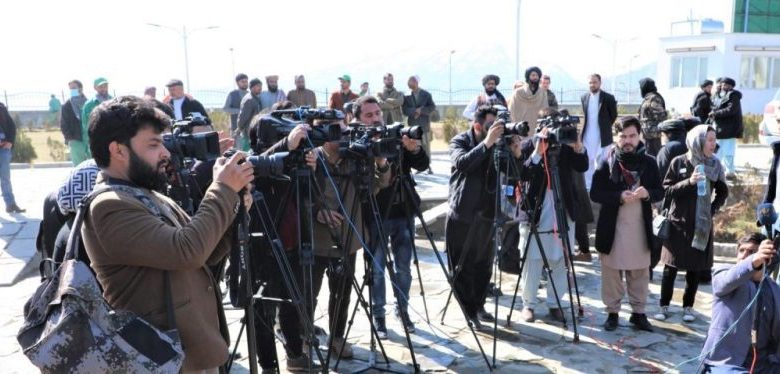
The Afghanistan Journalists Center has reported at least 150 cases of media freedom violations and journalists’ rights abuses in the country over the past year. These incidents include 127 threats and 20 arrests of journalists and media employees. According to the report, four detained journalists remain imprisoned in Taliban-run facilities.
Published today (Saturday, 12th of Thawr) ahead of World Press Freedom Day, the report covers the period from May 2025 to the present. The Center stated that although the number of recorded incidents has decreased compared to the same period last year, the qualitative situation of media freedom is far more concerning, with the Taliban administration’s restrictive policies deepening the crisis.
During this time, two employees of the National Radio and Television were killed in airstrikes by Pakistani military forces, and another was wounded. Additionally, for the first time since the Taliban’s return to power in 2021, cases of forced confessions by journalists broadcast by intelligence agencies have been documented, which the Center says reflect the intensifying atmosphere of fear and repression in the country.
The report notes that the ban on live broadcasting has expanded to eight more provinces and is now officially enforced in 25 provinces. Following this decision, at least eight local TV stations have ceased operations. Furthermore, 11 media outlets or organizations have been temporarily or permanently closed for what authorities describe as non-compliance with newly imposed regulations, and the work licenses of at least 10 media support organizations and journalist groups have been revoked.
The Afghanistan Journalists Center also highlights tightened restrictions on access to information, revealing that in about half of the ministries and government departments, visual reporting and on-camera interviews are banned. Media outlets face increasing pressure not to engage with individuals not approved by the Taliban administration.
The report further states that even telephone contact with girls or mentioning their names in live programs has, in some cases, led to media suspensions, negatively impacting girls’ educational programs. Additionally, bans on broadcasting women’s voices are enforced in several provinces, and cases of censoring female journalists’ voices during Taliban officials’ press conferences have been reported.
The Center points out that some arrests have been made based on superficial reasons, such as beard length, raising serious questions about fundamental rights and professional standards in dealing with journalists.
The report emphasizes that Taliban authorities initially claimed to follow previous media laws but have since implemented written and oral guidelines instead. Some of these guidelines are framed under the law of ‘enjoining good and forbidding wrong,’ granting broad powers to enforcers. The Center believes the establishment of formal and informal structures to promote a one-sided narrative reflects an intensification of a ‘single-voice’ policy in the country.
The Afghanistan Journalists Center also describes the economic situation of independent media, especially in the provinces, as alarming. Reduced financial resources and increased restrictions have put many media outlets at risk of closure, and the migration of journalists continues.
The Center has called on the Taliban administration to reconsider its policies, release all imprisoned journalists, and provide a free and safe environment for the media to operate. It has also urged the international community to increase their political, financial, and technical support for Afghanistan’s media and journalists.