Afghanistan’s Rice Production Rises by 2 Percent in 1404 Solar Year
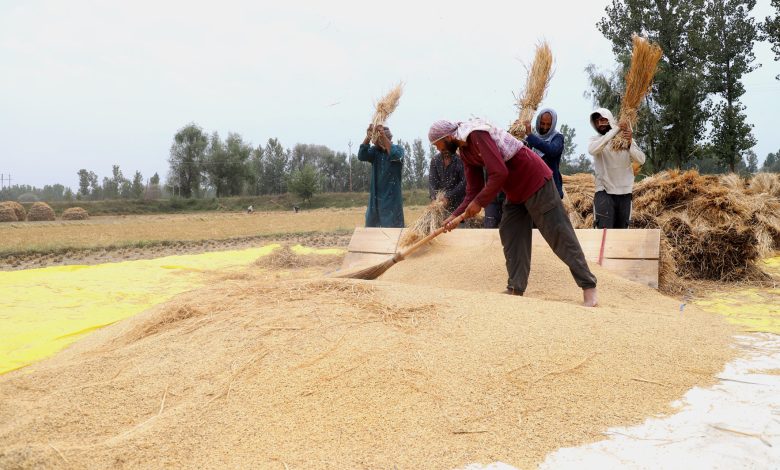
Afghanistan’s National Statistics and Information Authority has announced that rice production across the country reached 447,000 metric tons in the 1404 solar year, marking a 2 percent increase compared to the previous year.
According to the information provided, the authority utilized remote sensing technology and satellite image interpretation to identify and confirm rice cultivation areas. The findings indicate that rice was cultivated in 18 provinces across Afghanistan.
This year, a total of 135,000 hectares of land was used for rice cultivation, representing a 4.6 percent increase from the 1403 solar year. Kunduz province accounted for the largest cultivated area with 41,000 hectares, while Sar-e Pul had the smallest area with only 138 hectares.
The National Statistics and Information Authority reported that Kunduz and Takhar provinces each led rice production with 116,000 metric tons. They were followed by Baghlan with over 64,000 tons, Nangarhar with more than 40,000 tons, Balkh with 24,000 tons, and Kunar with over 23,000 tons as the country’s major rice-producing provinces.
Meanwhile, Afghanistan’s total rice demand—including for food consumption, seed, and waste—is estimated at 720,000 metric tons for the current year.