UNICEF Reports Severe Shortages of Safe Water for Millions of Afghan Children Amid Taliban Restrictions
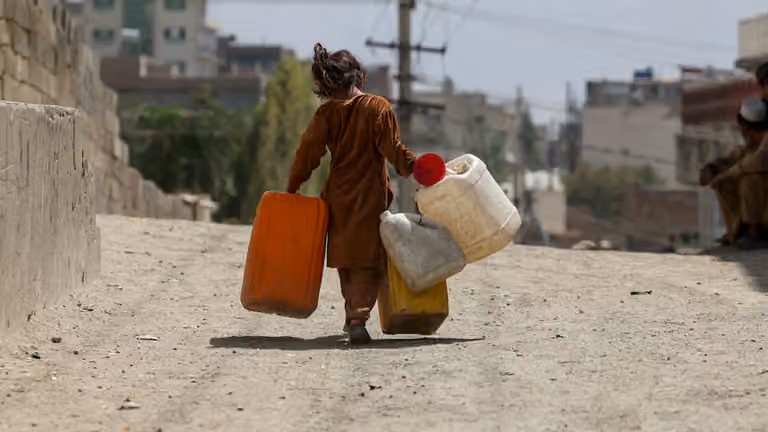
A recent UNICEF report reveals that nearly one-third of Afghanistan’s population, including 6.8 million children, lacks access to safe drinking water. Decades of conflict, destruction of water infrastructure, and the cessation of foreign aid following the Taliban’s return to power have intensified the safe water crisis in the country.
UNICEF emphasized that war-torn regions of Afghanistan, alongside countries like Iran, Ukraine, and Gaza, have been targeted by direct attacks on water and sanitation facilities. These attacks, together with weaknesses in reconstruction and maintenance, have further deteriorated the water and sanitation situation.
Since August 2021, major financial aid to the water and sanitation sector has been halted due to restrictive policies imposed by the Taliban administration. As a result, sector workers have been unable to maintain water supply and sewage services, leading to over 242,000 reported cases of acute watery diarrhea in 2022 and 87 related deaths; more than half of the victims are children under five years old.
The capital, Kabul, exemplifies the long-term impacts of war and inadequate facilities. The destruction of the government water supply network and the drying of deep wells have forced low-income families to allocate part of their income to purchasing water from private tankers. Insufficient water supply also prevents children from attending school and keeps them waiting in long queues for hours.
UNICEF added that Taliban restrictions on women’s work, especially following bans on women’s participation in NGOs and the United Nations, have reduced vital services such as needs assessments, equipment distribution, and health education by 60 to 70 percent.
These restrictions have also disrupted safe access for women and girls to health services and posed obstacles to implementing health programs tailored to their needs.
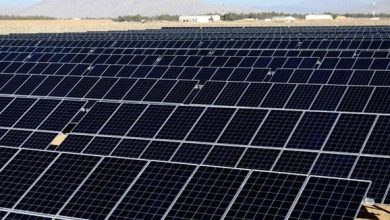
Despite some limited efforts, such as the use of solar pumps and strengthening local water management, these measures fall short of addressing the crisis that Afghan children have been grappling with for years.
UNICEF has warned that the consequences of damaged water and sanitation infrastructure continue to affect the daily lives of children despite years of conflict, and that the persistence of this situation will exacerbate the health and humanitarian crisis.