EU Calls for End to Restrictions on Girls’ Education in Afghanistan
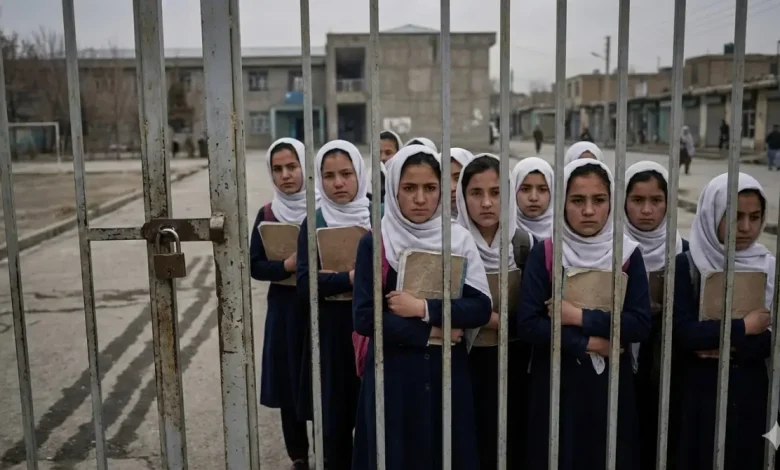
The European Union, during the 206th session of UNESCO’s Executive Board, expressed deep concern over the continued restrictions on girls’ education in Afghanistan and called for an unconditional end to these policies. EU representatives stressed that Afghanistan is the only country in the world where girls are denied access to formal education beyond sixth grade, a situation that has directly affected more than 2.2 million girls.
Welcoming UNESCO’s alternative education programmes, the European Union said distance learning and support programmes cannot replace formal, inclusive and quality in-person education. The meeting also referred to a joint €4.7 million initiative by the EU and UNESCO to empower women economically through literacy and vocational training.
On the other hand, Zabihullah Mujahid, spokesman for the Taliban administration, said in response to international criticism that the issue of girls’ education beyond sixth grade had not been ruled out and that the process of reviewing the conditions for it was still ongoing.
Since the Taliban came to power in August 2021, girls’ secondary and high schools have remained closed. The Taliban have refused to reopen the schools, arguing that school textbooks need to be reviewed, separate educational environments in line with Islamic law must be created, and the necessary cultural groundwork must be put in place. The delay has drawn widespread domestic and international criticism.
Restrictions on girls’ education have become one of the most contentious issues in Afghanistan’s international relations, with the global community and UN bodies saying women’s basic rights, including the right to education and work, are major conditions for improving diplomatic ties and ending Afghanistan’s isolation.