Jalali Says 9/11 Helped Fuel Islamophobia Worldwide
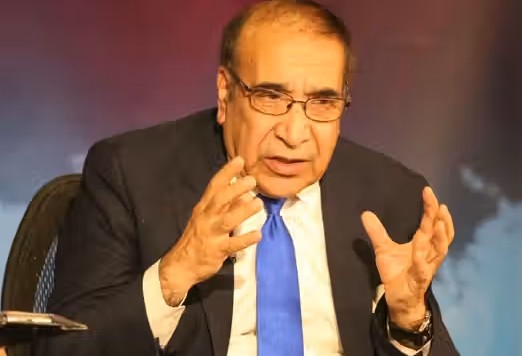
Ali Ahmad Jalali, Afghanistan’s former interior minister, said in a message marking the 25th anniversary of the September 11, 2001 attacks that the incident, in addition to killing thousands, created one of the conditions for the spread of Islamophobia in different countries.
He described the attacks as a turning point in global political and security developments, adding that the fight against terrorism then became the main focus of many governments’ foreign and security policies. According to him, the global atmosphere after the event took on a new shape and left broad social and political consequences.
According to the news text, the 9/11 attacks in 2001 took place when 19 al-Qaeda members hijacked four passenger planes. Two planes hit the Twin Towers in New York, one plane struck the Pentagon, and the fourth plane landed in Pennsylvania.
In the aftermath of the event, the United States launched the “war on terrorism,” a war that first led to the invasion of Afghanistan and then to the Iraq war. Based on a Brown University study cited in the text, these wars left between 4.5 million and 4.6 million dead and 38 million displaced, and had a profound impact on the Middle East.
The text also says the consequences of 9/11 were not limited to the battlefield and, inside the United States, led to expanded government powers, a political climate driven by fear, the rise of Islamophobia and tougher immigration restrictions. According to the source, this trend was later reflected in some policies of Donald Trump, the current US president, including travel bans on citizens of several Muslim countries.
The September 11 attacks are regarded as among the defining events in modern history, and since then Afghanistan has become one of the main centres of developments stemming from the “war on terrorism,” a process that cast a shadow over the country’s political, security and social situation for years.