West’s Share of Diplomatic Engagement with Afghanistan Falls Sharply, Report Says
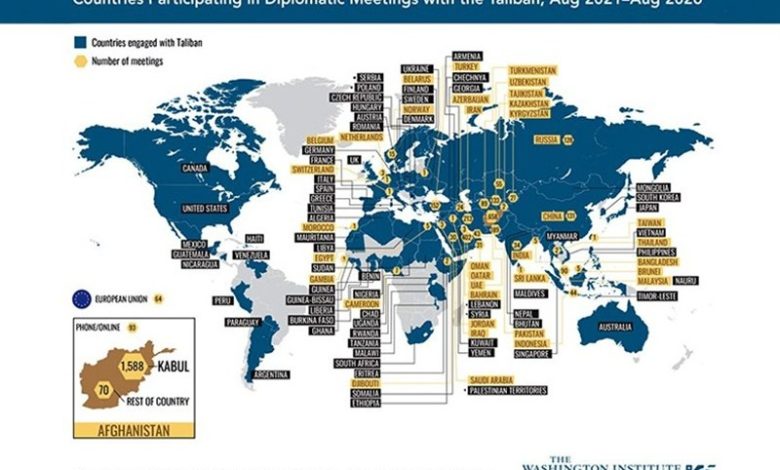
A new report shows that the share of Western countries in diplomatic engagement with Afghanistan has declined significantly over the past five years, a trend that intensified after the Taliban administration expanded restrictions on women and girls. According to the report, Iran, China, Turkey, Qatar and several Central Asian countries have meanwhile become the main partners in engagement with Kabul.
Aaron Zelin, a senior fellow at the Washington Institute for Near East Policy, wrote in a report that the Taliban administration had at least 3,651 diplomatic engagements with 103 countries and institutions between August 15, 2021 and August 15, 2026. He said the number of these engagements rose from 387 in the first year to 952 in the third year, and 844 were recorded in the fifth year.
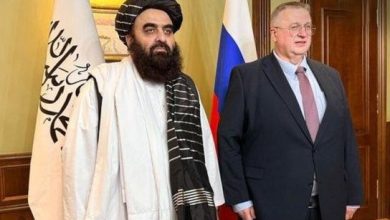
According to the report, Iran tops the list of the Taliban administration’s diplomatic partners with 494 engagements. It is followed by China with 432, Turkey with 394, Qatar with 347 and Uzbekistan with 316.
By contrast, the share of Western countries in total diplomatic engagement with Kabul fell from about 16 percent in the first year to 5 percent in the fifth year. The report says this decline became particularly pronounced after the Taliban administration imposed sweeping restrictions on women and girls.
Another section of the report says the Taliban administration’s relations with regional countries have shifted from occasional meetings to more formal mechanisms. The creation of working groups, joint commissions and economic councils is cited as evidence of this trend.
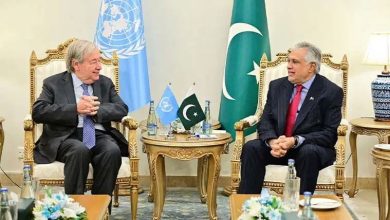
At the same time, the Taliban administration’s relations with Pakistan have also declined. According to the report, bilateral engagement fell from 86 in the fourth year to 33 in the fifth year amid rising security disputes.
The report also says Russia formally recognized the Taliban administration in June 2025 and remains the only country to have done so so far. At the same time, several countries in the region and the Gulf have accepted Taliban diplomats and expanded their political and economic ties with Kabul without formally recognizing the administration.
On the economic front, the TAPI pipeline project, investments by the United Arab Emirates, DP World’s participation in border crossings and Kazakhstan’s pledge to invest in the railway sector are cited as signs of growing regional cooperation. Even so, the report says the Taliban administration still faces serious economic problems and needs foreign investment.
In this context, Amir Khan Muttaqi, the acting foreign minister of the Taliban administration, has called on the United States to invest in areas such as mines, dams and roads, while opposing the return of US forces to Afghanistan. The Washington Institute for Near East Policy is a US-based research institution that follows developments in the Middle East and the region.