Uncertainty Surrounds 115 Afghan Refugees in Kyrgyzstan After Over 20 Years
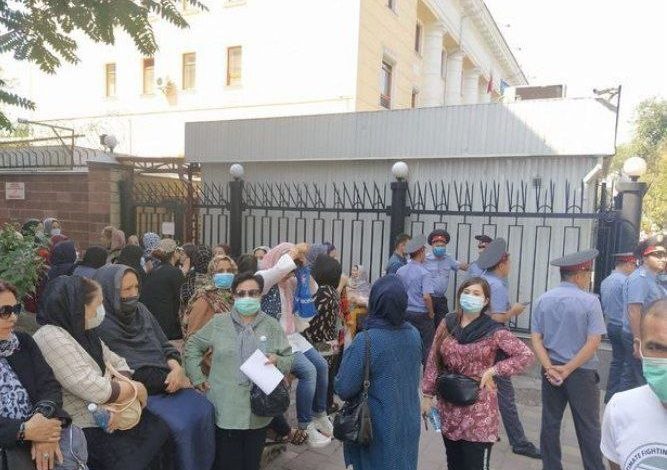
One hundred and fifteen Afghan refugees in Kyrgyzstan say that despite having lived in the country for over twenty years, they remain without clear legal status or stable residency, leaving their lives in limbo. They emphasize that no specific timeline has been provided for resolving their cases, and their future remains shrouded in uncertainty.
According to available information, the United Nations High Commissioner for Refugees (UNHCR) recognizes all these individuals as refugees; however, Kyrgyzstan’s domestic laws have yet to establish a mechanism to grant long-term residency or specific rights for this group. This legal gap has prevented them from obtaining permanent residency documents or a clear pathway for integration into the host community or relocation to a third country.
The refugees report that throughout these years, no practical or scheduled program has been implemented to address their situation, casting a shadow over every aspect of their lives. They note that more than half of this population consists of children and adolescents born into these uncertain conditions, who, due to legal restrictions, are deprived of full access to education and employment opportunities.
Unofficial estimates suggest that a significant portion of these refugees cannot engage in formal employment because they lack valid residency documents, forcing them to work in informal and low-paying jobs. Several families also remark that the absence of a defined legal status has left them unable to access public and social services.
Internationally, the humanitarian and legal consequences of the prolonged uncertainty faced by these refugees have drawn renewed attention, with relevant organizations stressing the need for sustainable solutions to such cases. The refugees have appealed to the global community, donor governments, and humanitarian agencies to take effective and practical actions to end the current situation and break this cycle of prolonged waiting.