Development Plan Finalized for Dogharoon Free Zone to Boost Trade and Innovation
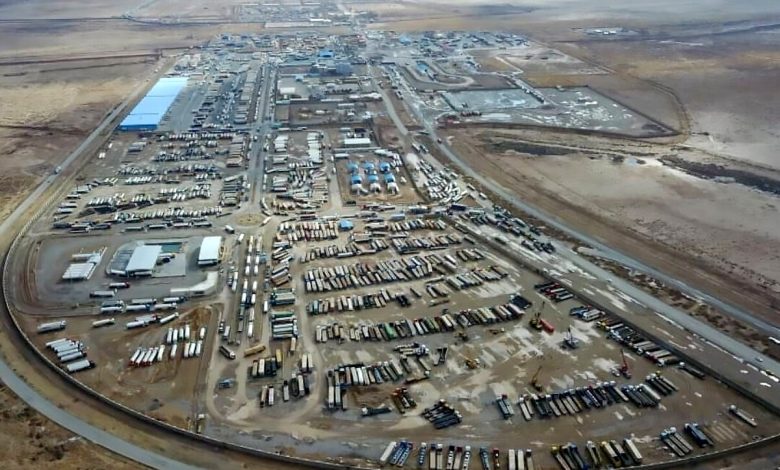
The CEO of the Dogharoon Free Zone announced the finalization of the development plan for the region based on the “seventh generation free zones” model. This plan serves as a roadmap charting the transformation of Dogharoon into a gateway for modern trade in eastern Iran. He highlighted that Dogharoon’s border location with Afghanistan and its position along the Mashhad-Herat corridor make it a potential hub for commerce and transit in eastern Iran.
Mohammadreza Moodoodi, speaking at a joint meeting of the Supreme Council of Free Zones managers, emphasized that proximity to Afghanistan’s 40 million-strong market offers significant potential for expanding trade exchanges and logistics services. Located in Razavi Khorasan Province, the Dogharoon border crossing is one of the most important official routes between Iran and Afghanistan, with a substantial volume of goods transported through this passage annually.
Stressing the role of private sector investment, Moodoodi explained that the region’s management approach is not limited to land allocation and short-term revenue generation. Instead, through partnership models, the goal is to facilitate sustainable investment and create added value. The main objective is to move beyond traditional trade toward modern markets, smart services, and integration into regional and international value chains.
The CEO identified “value chain development and saffron exports” and “digital healthcare” as key pillars of future programs. Considering Razavi Khorasan’s prominent role in saffron production, the region has the capacity to become a center for processing, packaging, and exporting this product, which could also positively impact saffron trade in the Afghan market.
Moodoodi also noted plans to develop health tourism and provide treatment services based on cutting-edge technologies, aiming to attract patients from neighboring countries, especially Afghanistan. Facilitating ease of travel, tariff transparency, and necessary support for Afghan traders and patients will play a crucial role in the success of such initiatives.
He further announced the signing of contracts or memorandums of understanding to implement several major projects, including the construction of a fuel city, an exhibition city, a 700-hectare mining zone, and a 20-megawatt solar farm. Among transformative projects is the 10-kilometer-long “Silk Road Highway,” which has the potential to reshape Dogharoon’s economic landscape.