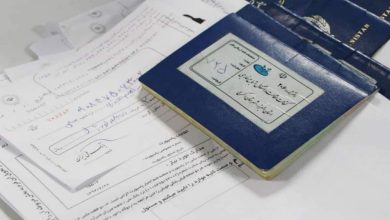
Taliban’s New Divorce Code Sparks Concern Over Restrictions on Women’s Rights

Heather Barr, head of the women’s section at Human Rights Watch, has described the Taliban’s “Couple Separation Code” as deeply concerning, stating that the new document significantly restricts women’s right to file for divorce. According to her, under this code, women cannot easily seek divorce even in cases of a husband’s disappearance, abandonment, or domestic violence.
On Friday, May 12, Barr wrote on her X (formerly Twitter) page: “If your husband leaves you, you cannot divorce him. If your husband disappears, you cannot divorce him. If your husband beats you, you cannot divorce him.” These remarks have gained widespread attention on social media.
The Taliban’s Ministry of Justice announced on Thursday, May 11, that this code had come into effect following approval by Taliban leader Hibatullah Akhundzada. The document, consisting of 31 articles, outlines various conditions and grounds for separation between spouses.
According to the code’s provisions, in many cases, a woman’s right to divorce depends on the judge’s opinion, the husband’s consent, presenting witnesses, admission, or taking an oath. Critics argue that these conditions make it more complicated and difficult for women to access justice.
Human rights activists and some social experts say this approach limits women’s autonomy over their own lives and can leave them without effective solutions in harmful situations, including domestic violence. However, the Taliban’s administration has not yet responded directly to concerns raised by human rights organizations.