Former Afghan Female Officer Details Torture by Taliban Forces
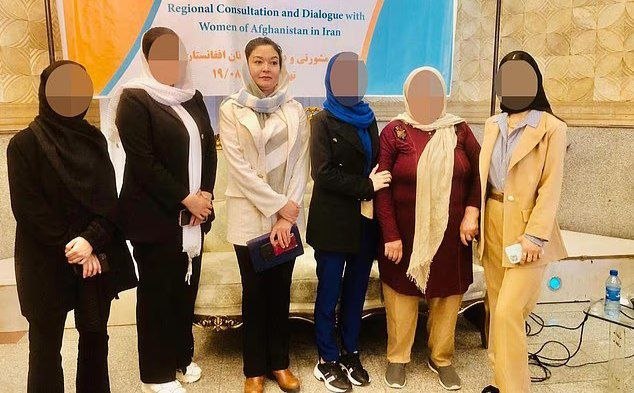
A former female Afghan officer has told the Daily Mail that after the Taliban returned to power in August 2021, she was arrested by the group’s forces and subjected to severe torture. Shukriya, 33, claimed that she and her father were detained during a nighttime Taliban raid on their home, where she faced beatings, interrogations, and threats, accused of ‘collaborating with foreigners’ and ‘betraying Islam.’
According to her, the arrest involved severe torture, humiliation, and psychological pressure, resulting in physical injuries and post-traumatic stress disorder. She emphasized that even after her release, she did not feel safe and continues to suffer from the psychological effects.
Shukriya recounted that her experience with Taliban violence dates back to her childhood. At the age of eight, she and her father were publicly flogged and paraded around their village, accused of cooperating with the previous government. She described those years as filled with fear, saying that people were even afraid to mention the Taliban’s name.
The former officer also noted that during the Taliban’s first rule, her family was repeatedly threatened. Her 17-year-old aunt was forced into an arranged marriage with a Taliban fighter to secure her father’s release—a fate that remains unknown to this day. Shukriya further claimed that her 14-year-old sister was coerced into marrying a much older man and later died in an incident while the family was fleeing Afghanistan.
She said that after the fall of the first Taliban regime, she was able to continue her education, join the Afghan National Army, and work at the Ministry of Defense. She participated in human rights and women’s empowerment programs and described that period as one of “strength and identity formation.”
With the Taliban’s return to power, many women, especially former security force employees, faced threats of arrest, intimidation, and reprisals—a concern repeatedly raised by human rights organizations. Widespread restrictions on education, employment, and women’s social participation have made their situation even more vulnerable.
Shukriya said that after her release, she left Afghanistan, traveling via Iran to Pakistan, where she is currently awaiting the review of her asylum case. She added that asylum procedures, particularly the need to obtain documents from institutions controlled by the Taliban, have created serious challenges for vulnerable women, and her sense of insecurity continues even outside Afghanistan.