UN Reports Taliban Restrictions on Women Severely Weaken Afghanistan’s Economy
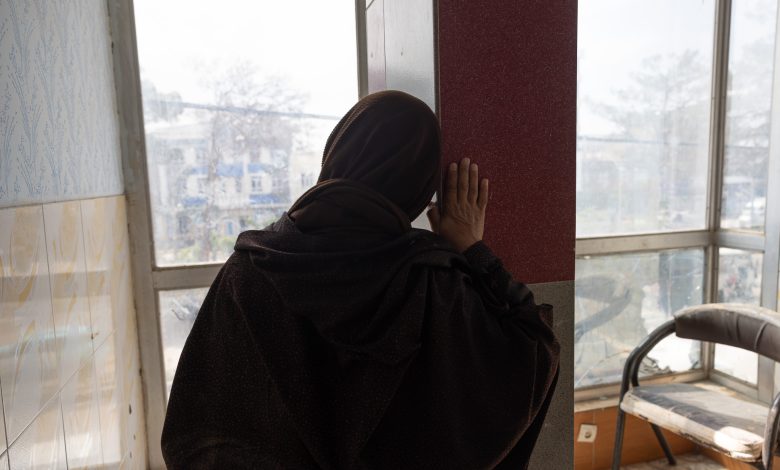
The United Nations, in its latest report, stated that the persistent restrictions imposed by the Taliban administration on women and girls have significantly weakened Afghanistan’s economy and labor force structure. Published on Thursday, May 14, the report emphasizes that nearly 100 decrees issued by Taliban officials since 2021 remain in effect, limiting women’s access to work, education, and freedom of movement.
According to the UN, these policies not only violate fundamental women’s rights but also reduce the country’s productive capacity. The exclusion of a large portion of women from the labor market and educational institutions has had direct consequences on economic growth and social stability, posing a serious obstacle to economic recovery.
The report further notes that millions of families across the country continue to face hardships in meeting basic needs such as drinking water, food, health services, shelter, heating, and clothing. Based on this assessment, over 80 percent of families are in debt, and nearly three-quarters resort to negative coping mechanisms to survive daily life.
The United Nations estimates that by 2025, approximately 28 million people in Afghanistan will be living in poverty. It also warned that the mass return of migrants, worsening drought conditions, and reduced international aid have exacerbated the situation.
According to the report, the real GDP growth in 2025 is projected to be only 1.9 percent, down from 2.3 percent the previous year. At the same time, population growth has reached 6.5 percent, resulting in an approximate 2.1 percent decline in real GDP per capita—indicating a reduction in citizens’ economic capacity.
The UN also revealed that total international aid to Afghanistan in 2025 has decreased by about 16.5 percent, while the level of needs continues to rise. The agency had previously reported that 13.8 million people in the country face severe food insecurity, highlighting that the livelihood crisis continues to expand in the absence of comprehensive and responsible policies.