UNICEF Launches New Effort to Reduce Child Mortality in Afghanistan Amid Nutrition Crisis
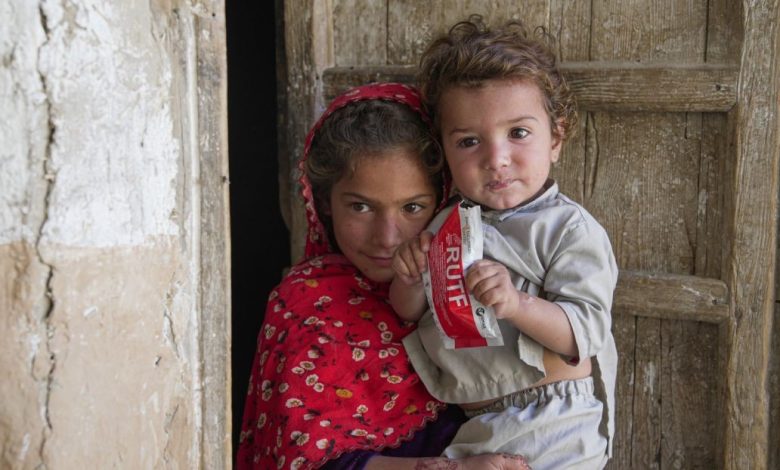
The United Nations Children’s Fund (UNICEF) has announced it is intensifying efforts to prevent and treat severe acute malnutrition in Afghanistan, aiming to provide therapeutic and essential food to 1.3 million children by 2026.
According to a recent report from the agency, this treatment program is being implemented with financial support from the Asian Development Bank. It involves delivering health packages and specialized nutritional supplies to children’s homes in remote areas of the country, where access to healthcare services is limited.
UNICEF states that these nutritional products are energy-dense and specially formulated to help children with weakened immune systems caused by malnutrition return to a normal state in a short time, thereby reducing serious health risks.
The agency added that, due to the ongoing humanitarian crisis in Afghanistan, it is determined to reduce child mortality rates and provide treatment coverage to over one million children suffering from malnutrition.
In recent years, international organizations have repeatedly warned about the condition of children in Afghanistan. Increasing poverty, unemployment, and widespread restrictions following the Taliban’s governance have made it difficult for families to access income and essential services, placing children at serious risk of malnutrition.
Relief agencies continue to urge donor countries to maintain financial and humanitarian support for Afghan children during this critical time to prevent the crisis from worsening.