UN: Ban on Girls’ Education Blocks Afghanistan’s Development
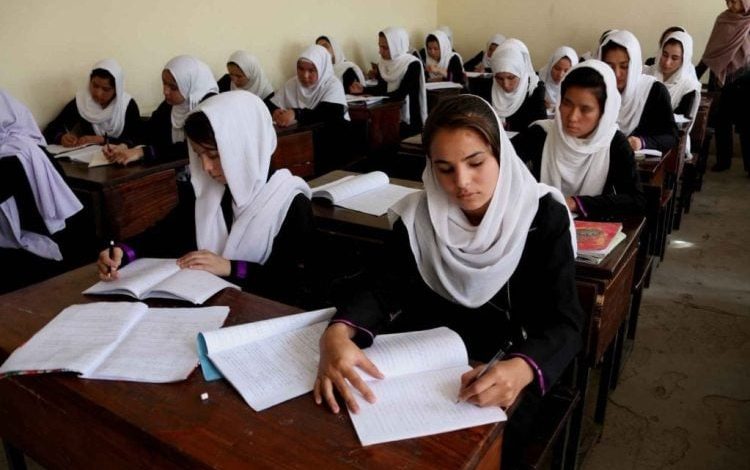
The United Nations in Afghanistan has stated that the ongoing ban by the Taliban regime on education for girls above the sixth grade remains the largest structural obstacle to the equitable development of human capital in the country. On Sunday, April 18, the UN released a statement emphasizing that without equal access to education, Afghanistan’s development prospects face serious challenges.
According to the information published, more than 34 million people across Afghanistan are currently covered by UN assistance programs. Additionally, over 4.6 million children have been enrolled in schools with the support of the UN, part of efforts to prevent the collapse of the country’s education system.
The United Nations also reported that approximately 45,000 long-term jobs have been created within the framework of support programs, benefiting both women and men in various regions. This initiative comes at a time when unemployment and poverty remain significant challenges for Afghan families.
However, the international agency has warned that reductions in humanitarian aid, climate change, widespread internal displacement, and existing restrictions have placed heavy pressure on families and essential services. Many international organizations believe that the continued educational restrictions on girls not only violate fundamental citizens’ rights but also hinder Afghanistan’s economic and social reconstruction.
It has now been nearly five years since the Taliban administration barred girls above the sixth grade from attending school. This move has faced widespread domestic and international criticism and remains one of the main points of advocacy directed at the regime.