Pakistan Calls for Global Support on Afghan Refugees and an End to Taliban Restrictions on Women
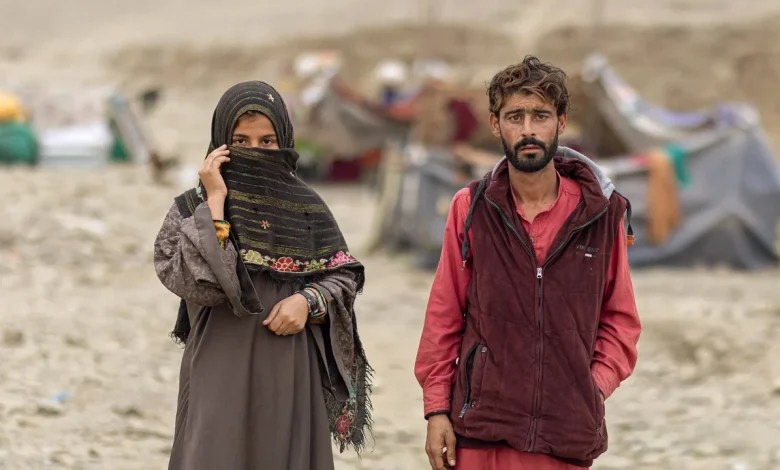
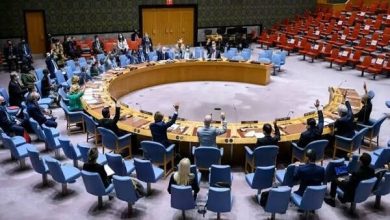
Mohammad Javed Ajmal, adviser to Pakistan’s permanent mission to the United Nations, strongly criticized the international community’s insufficient support over the past four decades in accepting and resettling Afghan refugees during a UN General Assembly meeting on human rights in Afghanistan. He stated that despite hosting millions of Afghan refugees for many years, Pakistan has borne this responsibility without adequate international assistance.
Ajmal urged the global community to take greater responsibility for the plight of Afghan refugees and simultaneously called on the Taliban to lift educational and social restrictions on women and girls. The Pakistani representative described these restrictions as incompatible with Islamic teachings and Afghanistan’s international obligations.
Since 2023, Pakistan has initiated a process of deporting undocumented migrants, claiming to have returned over 2.4 million Afghan refugees so far. Meanwhile, relations between Islamabad and Kabul have become increasingly tense in recent months due to security, border, and refugee issues.
Ajmal also accused the Afghan government of supporting militant groups such as ISIS, al-Qaeda, and the Tehrik-i-Taliban Pakistan (TTP), alleging that more than 4,700 Pakistanis have died in terrorist attacks originating from Afghan soil over the past three years—claims previously denied by Kabul officials.
According to a UN report, since the Taliban regained power in 2021, nearly 2.4 million Afghan girls have been denied access to secondary education, negatively affecting women’s rights and the country’s social development.
Pakistan’s stance emerges amid growing economic and social pressures caused by the large Afghan refugee population within its borders, compounded by the lack of international financial support, posing one of Islamabad’s major challenges.