Afghanistan’s UN Envoy Warns Against Normalizing Taliban’s Discriminatory Policies
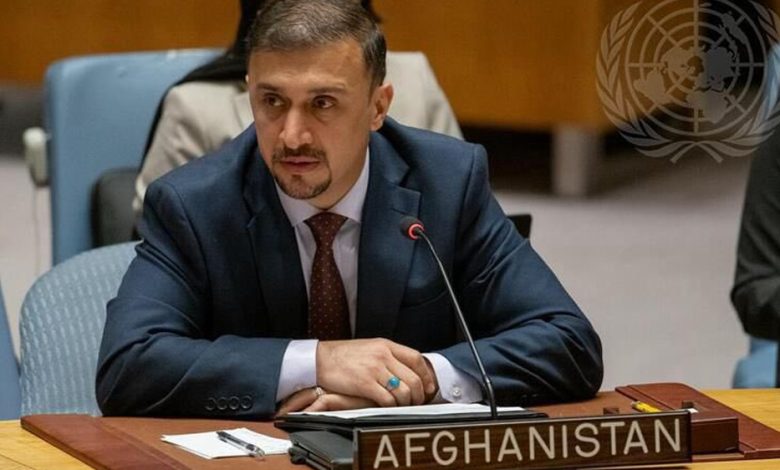
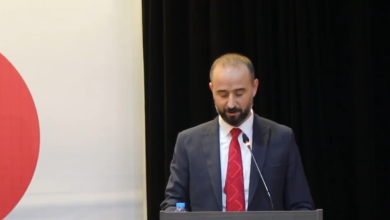
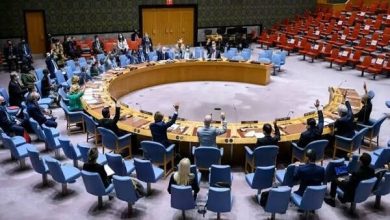
Nasir Ahmad Faiq, acting head of Afghanistan’s permanent mission to the United Nations, warned at the UN General Assembly that continued international engagement with the Taliban administration without measurable progress in human rights could lead to the normalization of the group’s discriminatory policies. He emphasized that such engagement must be principled and based on clear criteria, respect for Afghanistan’s international commitments, and tangible progress, and should never come at the cost of ignoring the fundamental rights of women and girls. Referring to the perspectives of regional countries and some Western states that have established close ties with the Taliban, Faiq warned that this trend could have negative repercussions on human rights conditions in Afghanistan. He also stressed that countries must uphold the principle of non-refoulement concerning Afghan refugees. Faiq linked the current human rights crisis to the political crisis following the Taliban’s takeover and called for the establishment of a political process led by the people, with meaningful participation of women, youth, minorities, and civil society, to ultimately form an inclusive and accountable government. Criticizing the widespread repression by the Taliban administration, Faiq stated that five years after the group’s takeover, the Afghan people still live under an oppressive government that interferes in all aspects of their lives. He cited the situation of women and girls as an example of institutionalized discrimination, deprived of education, employment, and social participation, describing these conditions as a crime against humanity with devastating effects on their dignity, livelihood, and future. The acting Afghan envoy added that discrimination and repression are not limited to women alone, but also affect Hazara and Shia minorities, journalists, human rights defenders, former security personnel, and those suspected of collaborating with resistance fronts, all facing arbitrary detentions, torture, and extrajudicial killings. He asserted that the Taliban have turned discriminatory decrees, limitations on fundamental freedoms, and the use of fear and intimidation into tools of governance. Faiq welcomed the recent Human Rights Council resolution establishing an independent investigative mechanism on Afghanistan but insisted it should not remain merely verbal commitments, stating that its success will be measured by tangible improvements in the lives of the Afghan people. He stressed that effective international action will be realized when girls are allowed to return to school, women can operate freely, victims can seek justice, and youth can look to the future with hope.