FAO says new technologies have cut agricultural waste in Afghanistan
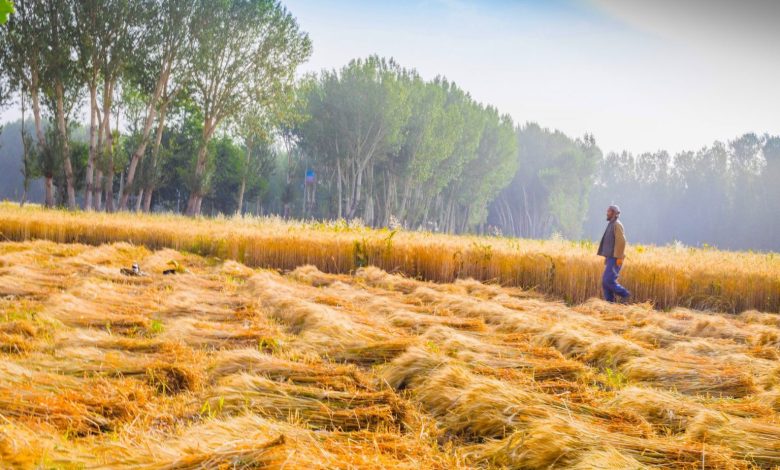
The United Nations Food and Agriculture Organization (FAO) says the use of new methods in the production, storage and processing of agricultural products has reduced waste and helped improve the livelihoods of farming families in Afghanistan.
In a report on Monday, the organization highlighted six experiences in the provinces of Kunduz, Faryab, Paktia, Takhar, Bamiyan and Herat that have been implemented to improve water management, protect natural resources and increase the use of crops.
According to FAO, in Kunduz laser land-leveling machines help distribute irrigation water and fertilizer more evenly across fields. Since 2025, the organization has facilitated the shared use of this equipment by irrigation associations and says more than 23,000 farming families have access to it.
In Paktia, combining horticulture with forage crop cultivation has allowed farmers to use a single plot of land both for growing fruit trees and for producing livestock feed.
FAO also referred to solar dryers that help women preserve fruits and vegetables for winter use or sell them in the market. According to the report, average post-harvest losses among families using these dryers have fallen from about 26 percent to seven percent, and nearly a quarter of these households have sold part of their dried produce.
In Bamiyan, solar cookers are used for cooking and boiling water on sunny days. FAO says this method can reduce the use of firewood and shrubs, resources whose widespread use in recent years has placed greater pressure on rangelands and vegetation cover.
The FAO report says special grape-drying buildings in Herat have also reduced raisin production time from about 30 days to 15 days. Farmers using these facilities said grape losses had fallen from 40 to 50 percent to 10 to 15 percent.
The organization also pointed to energy-free storage facilities for keeping onions, apples and potatoes. With proper building design and natural air circulation, these stores maintain a balanced indoor temperature and prevent produce from spoiling early.
FAO introduced these experiences ahead of World Food Day, which is observed every year on 16 October, and whose theme for 2026 has been announced as: “Innovate today, nourish tomorrow.”