New York Times Says Armed Groups Still Active in Afghanistan
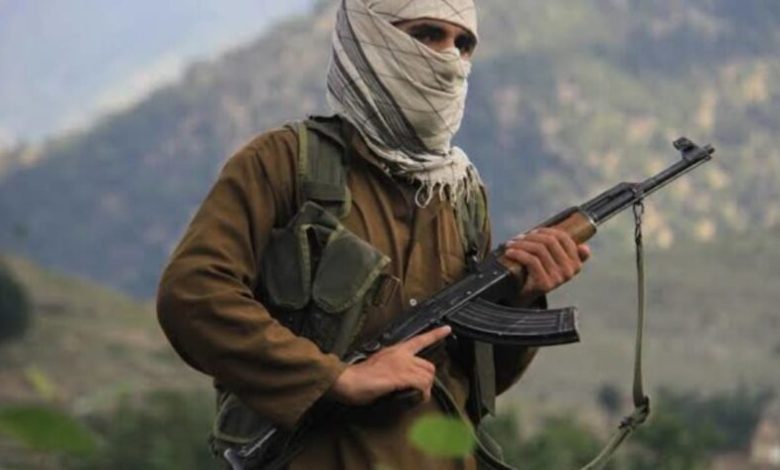
The New York Times has reported that al-Qaeda, Islamic State’s Khorasan branch and Tehreek-e-Taliban Pakistan are still operating in Afghanistan, casting doubt on the Taliban administration’s claim that the war has ended and security threats have been brought under control.
According to the newspaper, although the Taliban administration has declared an end to the war, conditions on the ground show that the presence of armed groups in Afghanistan continues and security threats remain. The report adds that the activity of these groups has kept concerns over the country’s security situation alive.
Based on assessments by experts and security agencies, around 20 armed groups with 15,000 to 20,000 fighters are active in Afghanistan. Alongside the better-known organisations, the groups also include smaller regional networks that, according to the report, are exploiting the security vacuum to continue their activities.
The New York Times also wrote that the Taliban administration’s current commitments bear similarities to Mullah Mohammad Omar’s promises before the September 11 attacks, promises that in practice did not prevent al-Qaeda from operating. The newspaper added that the Taliban administration now also claims Afghan territory will not be used against other countries, but evidence and the presence of al-Qaeda leaders in Kabul have called that claim into question.
The report further says that the lack of information about the status and scope of armed groups’ activities has made it difficult to assess security threats in Afghanistan. UN experts have also stressed that terrorist networks in Afghanistan have not only survived, but are adapting to new conditions.
Afghanistan has been one of the main centres of armed group activity in the region over the past two decades. After the Taliban administration returned to power in August 2021, the issue of Afghan territory being used by cross-border groups has again become a persistent concern for international institutions.