UN warns Taliban restrictions on women in Afghanistan are intensifying
The United Nations has warned that restrictions imposed by the Taliban authorities against women in Afghanistan are intensifying, as the country’s human rights situation worsens.
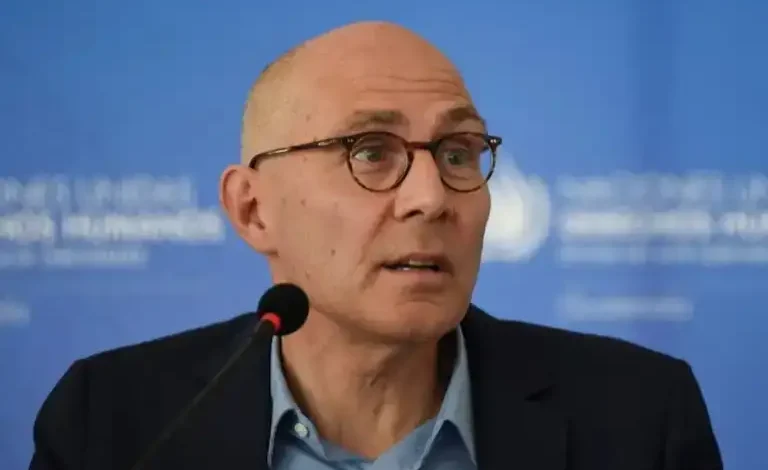
Volker Turk, the UN High Commissioner for Human Rights, expressed concern over the deterioration of human rights in Afghanistan and said the Taliban’s restrictions, especially on women and girls, continue to expand. He called on the international community and regional countries not to remain silent in the face of the suffering of the Afghan people.
In a statement on Wednesday, he said the situation of millions of people in Afghanistan has gone “from bad to worse.” He said that, alongside widespread poverty, the fundamental rights and freedoms of citizens are being further restricted, and the Taliban authorities are introducing and enforcing new restrictions every month.
The UN human rights chief criticised the continued limits on education, employment, freedom of movement and women’s participation in public life. He also said strict rules on women’s dress and their exclusion from public decision-making processes have become part of the Taliban authorities’ current policies.
According to him, new decrees issued by the Taliban authorities this year have made it more difficult for women to separate from their husbands and indirectly create conditions for child marriage and violence against women and children. Turk stressed that the systematic exclusion of women and girls from public life is an unacceptable violation of human rights.
He recalled that a year ago, the Taliban authorities banned Afghan women, including employees, contractors and visitors of the United Nations, from entering UN offices in Afghanistan. Since the Taliban returned to power in 2021, about 2.2 million girls and women have been denied access to secondary and higher education, he said.
The statement said women and men in Afghanistan continue to be detained by the Taliban’s Ministry for the Promotion of Virtue and Prevention of Vice. The UN said these arrests are mostly carried out over alleged violations of rules on dress, beard length and broadcasting or listening to music.
Volker Turk also said at least 449 women and men were sentenced to corporal punishment by the Taliban authorities in the first six months of this year. He also voiced concern over the continued documentation of human rights violations against officials of the former government and former members of Afghanistan’s security forces.
He described the media situation in Afghanistan as worrying, saying the media are operating under heavy censorship and sweeping restrictions. According to him, the publication of material that Taliban authorities consider contrary to Afghan culture and their rules has been banned, and the arrest of journalists and temporary shutdowns of media outlets continue.
In another part of his statement, the UN human rights chief referred to the forced expulsion of Afghan migrants and said the process of forcibly returning them continues despite the dire human rights situation in Afghanistan. According to figures cited in the statement, more than 400,000 Afghan citizens have been forcibly returned to Afghanistan, mainly from Iran and Pakistan.
He warned that many returnees are being sent to a country where they have never lived and will face severe poverty, food shortages, and limited access to drinking water, health care, education and jobs. According to the United Nations, about 21.9 million people, nearly 45 percent of Afghanistan’s population, still need humanitarian assistance.
Turk called on governments to review their policies on the return of Afghan migrants and to prioritise the lives and welfare of the Afghan people. He also urged countries in the region to take a stand in defence of equality, human dignity and the rights of all Afghan citizens.
The Office of the UN High Commissioner for Human Rights is one of the organisation’s main bodies for documenting and following up on human rights violations around the world. In the years since the Taliban regained control of Afghanistan, it has repeatedly warned about mounting restrictions on women, the media and civil liberties.