Pakistan’s move to expel Afghan medical students draws sharp criticism
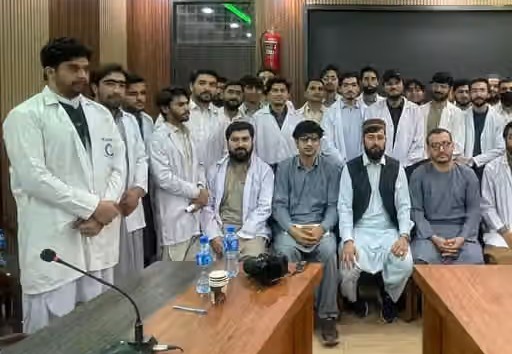
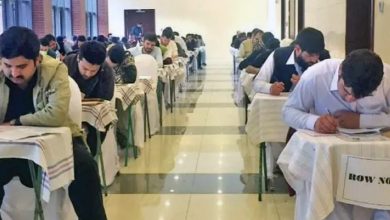
Pakistan’s decision to expel Afghan students enrolled in medical and dental programmes has triggered a wave of criticism in the country, with a number of former officials and political activists calling for an immediate review. Critics say the move could severely damage their education and professional future, especially for Afghan girls.
On Tuesday, the Pakistan Medical and Dental Council issued a statement asking Afghan students to leave the country and return to Afghanistan. In an official letter, it also said that until further notice, no admission, replacement, transfer or other facilitation for Afghan citizens would be allowed in the current academic year.
Following this directive, the University of Health Sciences Lahore, in a letter marked “very urgent”, asked 64 medical and dental institutions affiliated with the university across Punjab province to implement the decision. King Edward Medical University in Lahore also instructed 22 Afghan students to complete the necessary administrative procedures within 24 hours.
According to the letter, the students affected by the order include seven final-year medical students. The list of names covers students from first year to final year and also includes two recent graduates.
Asif Durrani, Pakistan’s former special envoy for Afghanistan, described the expulsion of Afghan medical students as “shocking” and said that young women who had struggled hard to continue their studies should not be punished for circumstances beyond their control. He warned that sending these girls back to Afghanistan, where they are denied higher education under Taliban rule, could destroy years of effort.
Muhsin Dawar, a former member of Pakistan’s parliament, also called the move “shameful and inhumane”, saying Afghan girls under Taliban rule have no opportunity to continue their education in their own country. Mansoor Ahmad Khan, Pakistan’s former ambassador to Afghanistan, likewise urged the Medical and Dental Council, on humanitarian grounds and in view of the two countries’ historical ties, to allow Afghan students to complete their studies and return to Afghanistan after graduation.
Ziauddin Yousafzai, an education activist and father of Malala Yousafzai, also said Afghan girls should not be forced to return to the Taliban’s “gender apartheid system”. The Islamic Students’ Society of Pakistan said in a statement that Afghan and Pakistani students should not pay the “price of politics” and that, instead of uncertainty, they need education, justice and a future.
On the other side, Jan Achakzai, former information minister of Balochistan province, urged India to make arrangements for Afghan students, especially medical students being expelled from Pakistan, to continue their studies and obtain their degrees. The Afghan embassy under Taliban control in Islamabad also expressed concern over the decision, called for it to be reconsidered and said the move could seriously damage the academic and professional future of students.
According to published estimates, about 200 Afghan students are studying medicine and dentistry in Pakistan. The issue is of even greater importance for Afghan girls because, after the Taliban administration’s restrictions on education, studying outside Afghanistan has become one of the few remaining paths to higher education for many of them.