Abdul Bari Jahani Warns Against Rising Linguistic Tensions in Afghanistan
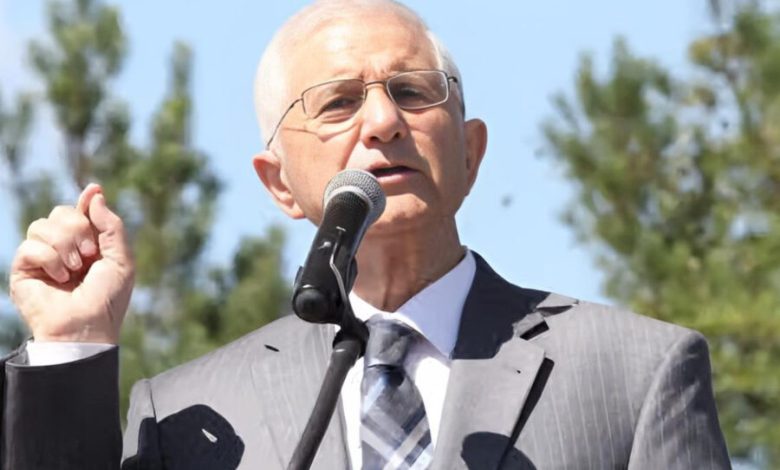
Abdul Bari Jahani, Afghanistan’s former minister of information and culture, has warned that reviving the debate over a “national language” amid an economic and educational crisis could deepen ethnic divisions and leave the country more vulnerable to exploitation by Pakistan’s intelligence services.
He made the warning in response to growing debate over the status of Pashto and Dari, saying Afghanistan is now facing widespread poverty, unemployment, hunger and an educational crisis — a situation that, he said, has forced thousands of young people to leave the country because of economic pressure.
Referring to remarks by Lutfullah Hakimi, the Taliban administration’s inspector general at the Ministry of Defence, who described Pashto as Afghanistan’s “only national language,” Jahani stressed that making such claims under the current circumstances only plays into the hands of the enemy and deepens ethnic divisions.
He added: “Neither non-Pashtuns will find happiness without Pashtuns, nor will Pashtuns own this country alone; Afghanistan belongs to all its citizens.”
The former information and culture minister also pointed to India’s experience, saying that despite its large population and vast size, the country does not have a single national language and has recognised 22 languages — something he said could be useful for managing linguistic diversity in Afghanistan.
Jahani also criticised what he described as Afghanistan’s five-year setback, warning that stoking linguistic and ethnic tensions would only serve the interests of the country’s enemies. He described those fuelling such divisions as “ignorant.”
Lutfullah Hakimi’s recent remarks about Pashto being the “only national” language have sparked widespread reactions on social media in recent days. Language and its status in Afghanistan are considered sensitive and long-standing issues and have always been tied to debates over the country’s ethnic and cultural diversity.