China Refuses to Sign G20 Finance Meeting’s Final Statement
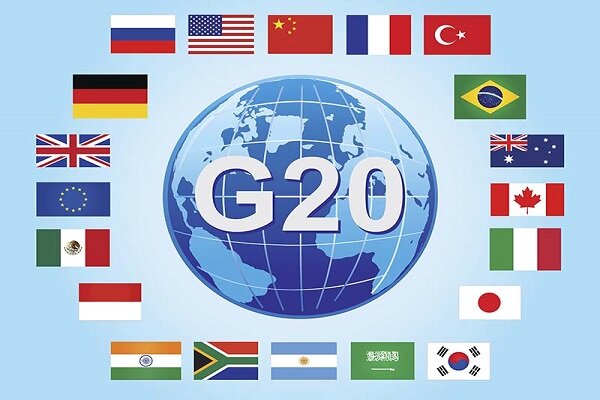
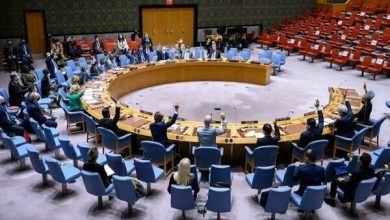
The G20 finance ministers’ meeting ended without full consensus after China refused to sign the final statement, exposing divisions among members over trade policy and Russia’s presence at the talks.
According to Reuters, Donald Trump’s administration failed on Tuesday to win backing from all G20 finance leaders for a joint stance against countries exporting cheap goods. The meeting was largely focused on China.
U.S. Treasury Secretary Scott Bessent said earlier Washington warnings to its trading partners about the consequences of higher U.S. tariffs and the flood of Chinese goods into other markets had proved correct. He added that economies, in his view, which rely on policies not based on market mechanisms and send cheap exports into markets are not sustainable.
The G20 chair’s statement said participants, except for China, agreed that countries should abandon non-market policies that fuel economic disorder. It also stressed that countries with excessive and persistent external surpluses should address factors that constrain domestic consumption and increase dependence on exports.
The two-day meeting took place as global bond markets came under pressure from worries over rising debt and inflationary pressures. At the same time, differences in tone between the United States as host and some European countries were also evident during the meeting.
European countries and Canada expressed dissatisfaction with Russia’s presence at the meeting. Russia attended at Washington’s invitation, marking the first time since its 2022 invasion of Ukraine that Moscow had taken part at this level in G20 finance meetings.
China’s rising exports in recent months have deepened concerns in the United States and Europe. With domestic demand weak for a prolonged period, China has stepped up its focus on exports of electric vehicles, semiconductors and other goods, and its exports in July rose 23.9% from the same period last year.
Reuters reported that China has continued to show little willingness to accept long-standing calls to cut industrial subsidies and rebalance its economy. China’s trade surplus with the European Union in goods also reached 360.6 billion euros last year.
China’s export restrictions on critical minerals were also raised at the meeting. Beijing imposed restrictions on exports of rare earth elements in April 2025, a move taken in response to U.S. tariffs that also affected non-U.S. companies. In the chair’s statement, the G20 called on countries to avoid imposing unnecessary restrictions on their exports so global supply chains can continue to function normally.
The G20 is made up of the world’s major economies, and its finance ministers’ meetings are generally seen as one of the most important channels for coordination on global fiscal and trade policy. The lack of consensus in the final statement highlighted the depth of divisions among major powers over trade, the war in Ukraine and supply chains.