Ravadari Labels Pakistan’s Attacks on Afghanistan as War Crimes
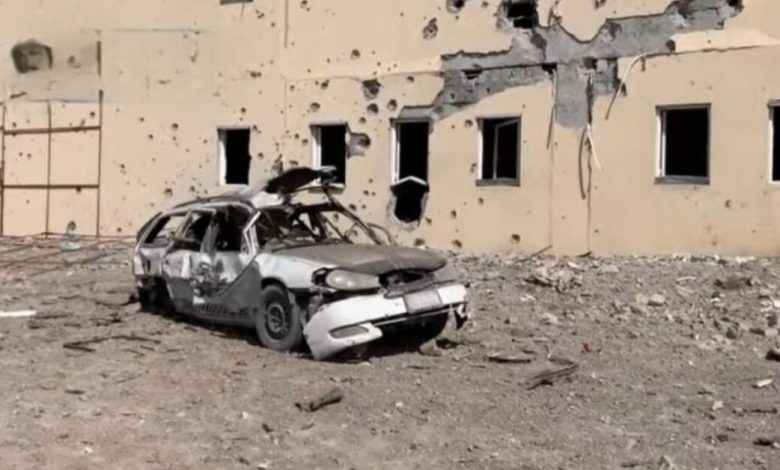
The human rights organization Ravadari has reported that Pakistan’s military attacks on several provinces in Afghanistan have resulted in at least 1,187 civilian casualties, which may constitute war crimes. According to the group, an airstrike on a treatment and rehabilitation center for addicts in Kabul is a clear example of a fundamental violation of international humanitarian law principles.
The report, published on Monday, July 26, states that between December 1, 2024, and the end of June 2026, Pakistani military forces conducted approximately 50 air, rocket, and ground attacks in the provinces of Paktia, Paktika, Khost, Nuristan, Kunar, Nangarhar, Kandahar, Helmand, and Kabul. These attacks resulted in 472 civilian deaths and 715 injuries.
Ravadari added that at least 300 patients and staff members were killed or injured in the attack on the rehabilitation camp in Kabul. The organization emphasized that the center was completely civilian, with most victims being patients and healthcare workers.
The report further notes that 394 residential houses, 22 schools, one hospital, one clinic, 11 mosques, 46 shops, and 10 motorcycle repair shops were damaged or destroyed due to these attacks. Around 29,000 families were displaced, and access to healthcare services for nearly 78,000 people was disrupted—this also affected the education of over 13,000 students.
According to Ravadari, many of these attacks were carried out without prior warning and often occurred during nighttime or early morning hours. In numerous instances, the attacked targets were significantly distant from military installations. The organization also reported that Pakistani forces have blocked the communication routes between the Kamdesh and Barg-e-Matal districts of Nuristan province for over two months, severely impeding residents’ access to food and medical services.
Ravadari stressed that the consequences of these attacks extend beyond human casualties and material damage, also causing increased fear and insecurity, intensifying poverty, widespread displacement, and psychological and social harm.