85 Missing and 23 Dead Following Devastating Floods in Afghanistan’s Nuristan Province
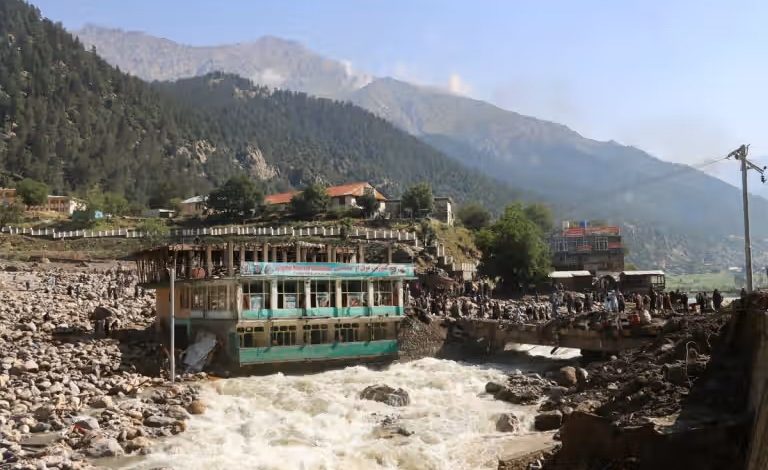
Following devastating floods in Nuristan province, 85 individuals remain missing as search operations continue. Taliban officials report that 23 people have died and 80 others have been injured in the disaster. Taj Mohammad Himmat, deputy spokesman for the Taliban’s Disaster Preparedness Department, stated on Wednesday, July 22, that the health condition of 23 wounded is critical. He added that rescue teams have been dispatched to affected areas and coordination with relief agencies is ongoing.
At the same time, the United Nations announced that more than 40 people have been killed and dozens injured due to heavy rains and flash floods in eastern Afghanistan. UN Secretary-General spokesperson Stephane Dujarric said on Tuesday that, based on initial reports, many people remain missing and emergency assistance has been sent to the impacted regions.
The UN noted that the floods caused extensive damage to homes, public buildings, and commercial units. The Taliban Disaster Preparedness Department reported the complete destruction of 163 houses and partial damage to 115 houses in Nuristan.
According to statistics provided by the department, three mosques, one clinic, one power network, and five bridges and culverts were destroyed in the province. Additionally, crops on 1,047 jeribs of agricultural land and 23 jeribs of orchards were lost. Thirty families have been displaced, with a total of 746 families affected.
The Taliban also reported that floods in the past 24 hours have caused casualties and damage in other provinces. In Maidan Wardak, one person died and 40 families were affected, while in Ghazni one person was injured and 258 families suffered damage.
Officials stated that in Kapisa, Paktia, Paktika, Khost, Laghman, and Zabul provinces, hundreds of houses, farmland, orchards, mosques, wells, roads, and shops have been damaged or destroyed due to floods. The Taliban have urged citizens to avoid approaching river paths and high-risk areas during heavy rains and rising water levels.
Nuristan province, located in eastern Afghanistan, is mountainous and lacks resilient infrastructure, making it particularly vulnerable to sudden floods.