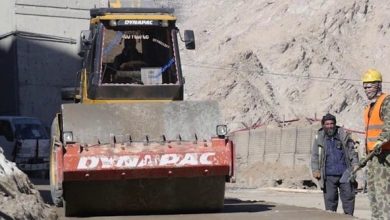
Taliban Ministry and UNOPS Launch Pilot Water Management Projects in Kabul
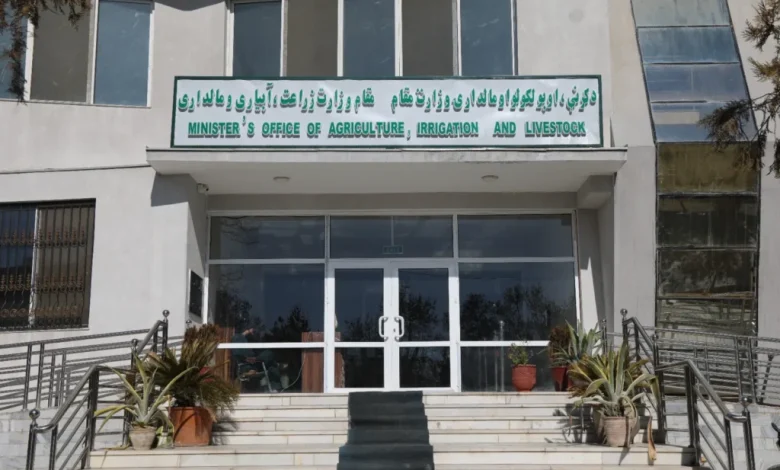
The Taliban’s Ministry of Agriculture, Irrigation, and Livestock has announced that, in collaboration with the United Nations Office for Project Services (UNOPS), 20 pilot check dams will be constructed in Kabul Province. The projects aim to enhance climate change adaptation and improve water resource management. According to the ministry’s statement, a joint technical team will be responsible for overseeing the survey to the practical implementation phases of the projects.
In a press release published on Wednesday, July 15, Mawlawi Attaullah Omari, the Minister of Agriculture, met with the head of the UNOPS office in Afghanistan to discuss the implementation of climate adaptation and water resource management projects. Both sides emphasized close coordination in executing these initiatives.
The head of the UNOPS office in Afghanistan stated during the meeting that the program’s first phase will begin with the construction of 20 check dams in Kabul. He added that these projects could effectively reduce water scarcity impacts and lead to better water resource management in targeted areas.
The Taliban’s Agriculture Minister, referring to the administration’s policies on water resource management, stressed that the projects should align with existing policies and the country’s needs. However, experts frequently underline that the success of such projects depends on transparency, effective management, and genuine participation of local communities—issues that have raised questions regarding the Taliban administration’s performance in public services in recent years.
Afghanistan is among the countries most vulnerable to climate change, with decreasing rainfall, consecutive droughts, and disjointed water resource management posing serious challenges to residents and the agricultural sector. Meanwhile, the Ministry of Agriculture has declared that it is working with international organizations to implement programs aimed at increasing community resilience and improving water resource management.