Former Diplomats Warn of UNAMA’s Uncertain Future Amid Funding Cuts and Political Deadlock in Afghanistan
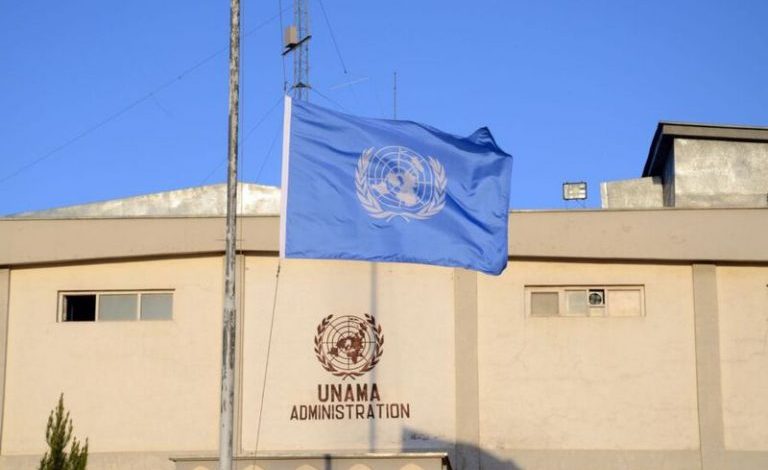
Three former Afghan diplomats have warned that severe budget cuts and the ongoing political deadlock pose a serious threat to the future of the United Nations Assistance Mission in Afghanistan (UNAMA). They emphasized that the UN should not normalize relations with the Taliban administration but should instead redefine its mission with clear expectations and realistic goals.
Omar Samad, former Afghan ambassador to Canada, Asila Wardak, a former diplomat and women’s rights activist, and Farid Zarif, former Afghan representative to the United Nations, jointly wrote in an analysis that earlier this year UNAMA was on the brink of dissolution or a significant reduction in its mandate and staff. However, a one-year mandate extension by the Security Council has provided a limited opportunity to reassess the UN’s strategy towards Afghanistan.
According to them, the absence of a special representative of the Secretary-General in Kabul and ongoing divisions within the Security Council have cast a shadow of uncertainty over the mission’s prospects. The authors stated that the United Nations can neither leave Afghanistan, due to the widespread humanitarian consequences, nor can it portray the current situation as normal, since the political prerequisites for recognizing the Taliban administration have yet to be met.
The analysis highlights that Afghanistan faces a confluence of crises, ranging from economic recession and climate change to the large-scale expulsion of Afghan migrants from Iran and Pakistan, reduced access to healthcare, and severe restrictions against women and girls. The authors stressed that the Taliban’s harsh policies, especially regarding women’s education and employment, have deepened the humanitarian crisis, making Afghanistan one of the world’s most complex humanitarian emergencies.
Referring to recent visits by senior officials from the UN High Commissioner for Refugees and the United Nations Development Programme to Afghanistan, they noted that the scale of the humanitarian, developmental, and health crises is expanding faster than the international community’s capacity to respond.
In another part of the analysis, the appointment of Robab Fatima as the new Special Representative of the UN Secretary-General for Afghanistan is seen as an opportunity to rebuild donor trust and strengthen coordination among international actors. However, the authors pointed out that disagreements among Security Council members over how to engage with the Taliban administration persist, and as a result, the Doha process has seen little substantial progress.
The former diplomats noted that while Afghanistan’s political process remains deadlocked, several regional countries, including China, Russia, Central Asian states, Gulf countries, and Turkey, have continued practical cooperation with Kabul in trade, security, migration, and infrastructure development. Some European countries have also engaged in technical cooperation with Taliban representatives on the issue of returning migrants.
In conclusion, the authors emphasized that the success of UNAMA’s future mission depends on setting clear priorities, fostering regional cooperation, maintaining a humanitarian space, rebuilding donor confidence, and focusing on protecting the lives and livelihoods of Afghanistan’s people — a goal that seems difficult without changes in the Taliban administration’s approach to fundamental citizen rights, particularly those of women.