Ahmad Massoud: Afghanistan’s Future Depends on Transitional Government and Popular Vote
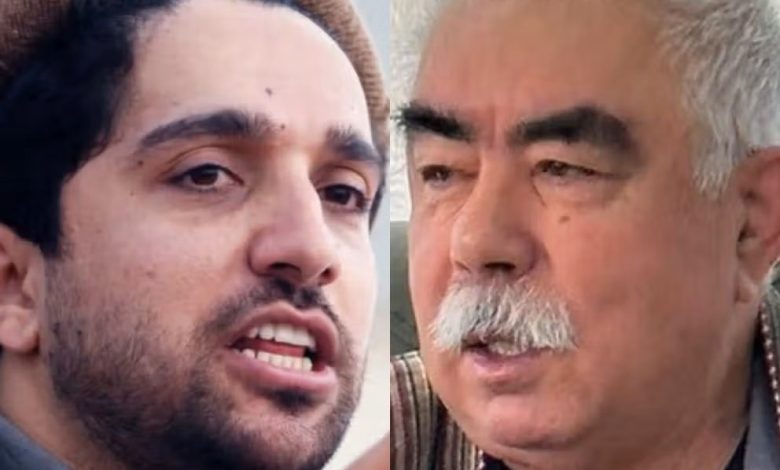
Ahmad Massoud, leader of Afghanistan’s National Resistance Front, dismissed reports of discord and fragmentation among opponents of the Taliban administration, stating that these groups are united by shared principles and values. He emphasized that if free and genuine elections are held, the Taliban would not be able to compete with candidates who have popular support.
Massoud made these remarks during a virtual meeting commemorating the tenth anniversary of the death of Seyed Hossein Anwari, a former jihadi commander. He said that highlighting divisions among opponents is part of attempts to instill despair among the Afghan people and the international community.
The National Resistance Front leader urged opposition groups to remain vigilant against what he called “divisive narrative-building.” He added, “We are not fragmented; we are united and committed to our common principles and values.”
Referring to the social base of some political figures who oppose the Taliban, Massoud said that if citizens are allowed to vote freely, the Taliban would not be able to surpass them. He specifically mentioned Marshal Abdul Rashid Dostum, former vice president, saying it is “impossible” for a Taliban member to outdo him in a free electoral competition.
Responding to the notion that there is no alternative to Taliban rule, he stressed that the replacement for the Taliban is not an individual but a national and lawful process. According to Massoud, this process can lead to the formation of a legitimate and widely accepted government through establishing a transitional administration, drafting a constitution, holding a Loya Jirga, and then conducting free elections.
Afghanistan has faced political, security, and social crises for nearly five years. During this time, several figures and opposition groups outside the country have attempted to propose alternative political frameworks for Afghanistan’s future through meetings and political initiatives. However, these efforts have so far not resulted in a broad and cohesive coalition capable of effectively challenging the Taliban administration.