Ireland Warns of Systematic Use of Sexual Violence Against Women in Afghanistan
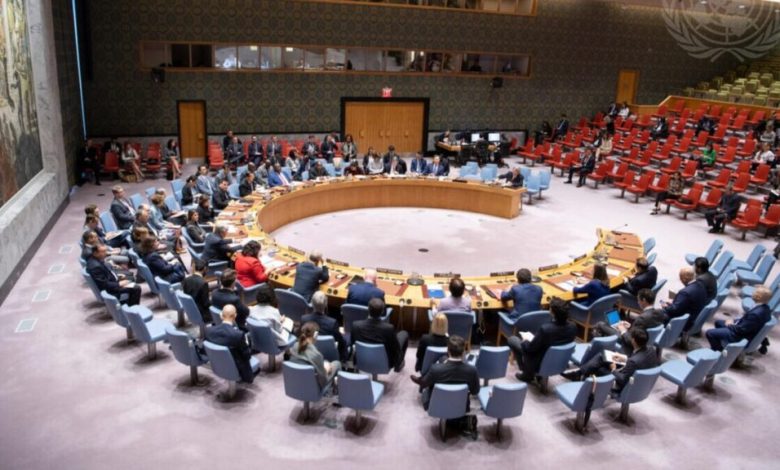
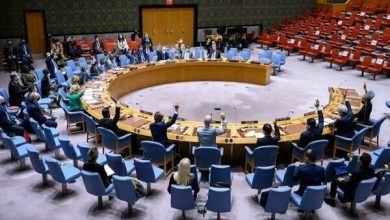
Ireland’s Justice Minister Jim O’Callaghan warned at a United Nations Security Council meeting that sexual violence is being used as a tool to restrict the rights and freedoms of women and girls in Afghanistan. Citing the UN Secretary-General’s report, O’Callaghan said this form of violence has become systematic within the context of ongoing conflicts.
The 119th Security Council meeting on “Women, Peace, and Security” focused on supporting victims of sexual violence in armed conflicts and the implementation of international legal obligations. Officials and country representatives attended alongside Pramila Patten, UN Special Representative on Sexual Violence in Conflict.
O’Callaghan stated that conflict-related sexual violence—including rape, gang rape, human trafficking, forced marriage, abduction, forced pregnancy and abortion, and sterilization—is used as a weapon of war and a tool of terror in 21 conflict settings worldwide. According to him, verified cases of such incidents have more than doubled in 2025 compared to the previous year, reaching nearly 10,000 cases.
The Irish Justice Minister emphasized that these figures do not fully reflect reality, as many incidents go unreported due to difficult security and social conditions. He described the scale of these crimes as shocking.
Karine Julien, a civil society representative at the meeting, said women and children in Afghanistan, Palestine, Myanmar, and Sudan suffer the most from sexual violence. She accused the international community of indifference and said the world has long turned a blind eye to this crisis.
Pramila Patten, without naming the Taliban administration, reported that last year 35 members of armed groups were convicted for sexual violence and survivors received compensation based on court rulings. She also announced the registration of over one thousand children born as a result of sexual violence in the past year.
These statements come as Richard Bennett, the UN Special Rapporteur on human rights in Afghanistan, and Human Rights Watch have previously reported that the Taliban have issued about 80 restrictive orders against women and girls since returning to power. According to these reports, women are banned from education beyond sixth grade, university studies, working in many offices, traveling without a male guardian, and accessing certain public spaces.
Women’s rights activists describe these policies as an example of “gender apartheid.” Seven countries, including Afghanistan’s UN representation, have called on the UN Secretary-General to include this concept in the treaty on “Crimes Against Humanity,” a move that could facilitate increased legal and political pressure on the Taliban to respect women’s basic rights.