UNODC Provides Livelihood Alternatives to 3,000 Families in Badakhshan to Replace Opium Poppy Cultivation
The United Nations Office on Drugs and Crime (UNODC) has announced that, as part of the “Strengthening Drug Control Capacities in Afghanistan” project, livelihood alternatives have been provided to more than 3,000 families in Badakhshan province to replace opium poppy cultivation. This program has been implemented in cooperation with the Japan International Cooperation Agency (JICA).
According to the agency, the main focus of the project has been to create sustainable and legal income opportunities for families previously dependent on opium poppy farming. Among the families supported, approximately 1,700 are headed by women.
Based on the published information, women living in these areas have generated new sources of income through activities such as dairy processing, animal husbandry, beekeeping, and mushroom cultivation. These initiatives aim to strengthen family economies and reduce dependence on drug crop cultivation.
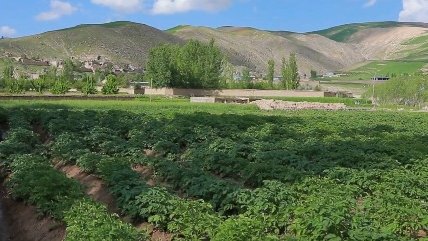
UNODC also stated that under this project, five irrigation systems have been rehabilitated, enabling access to water for 2,660 hectares of agricultural land. According to the agency, this measure has also increased production on over 1,000 jeribs (an Afghan land measurement) of farmland.